

Large labia, also known as labial hypertrophy or enlarged labia minora, is a natural anatomical variation that affects some women. It refers to the elongation or enlargement of the inner lips (labia minora) of the vulva. While there is no single cause for large labia, it can occur due to a combination of factors, including genetics, hormonal fluctuations, childbirth, aging, and even certain medical conditions.
Many women with large labia may experience physical discomfort or self-consciousness, leading them to seek information on what can be done about it. Fortunately, there are options available for those who desire to address this concern. Women can explore non-surgical approaches such as pelvic floor exercises, which can help strengthen and tone the pelvic muscles, potentially reducing the prominence of the labia.
Additionally, there are surgical interventions such as labiaplasty, a cosmetic procedure that involves reshaping or reducing the size of the labia minora, aiming to enhance comfort and alleviate any associated emotional distress. It is important to remember that the decision to pursue any form of treatment or intervention is deeply personal, and consulting with a healthcare professional is crucial to understand the available options, potential risks, and expected outcomes.
What Are the Labia?
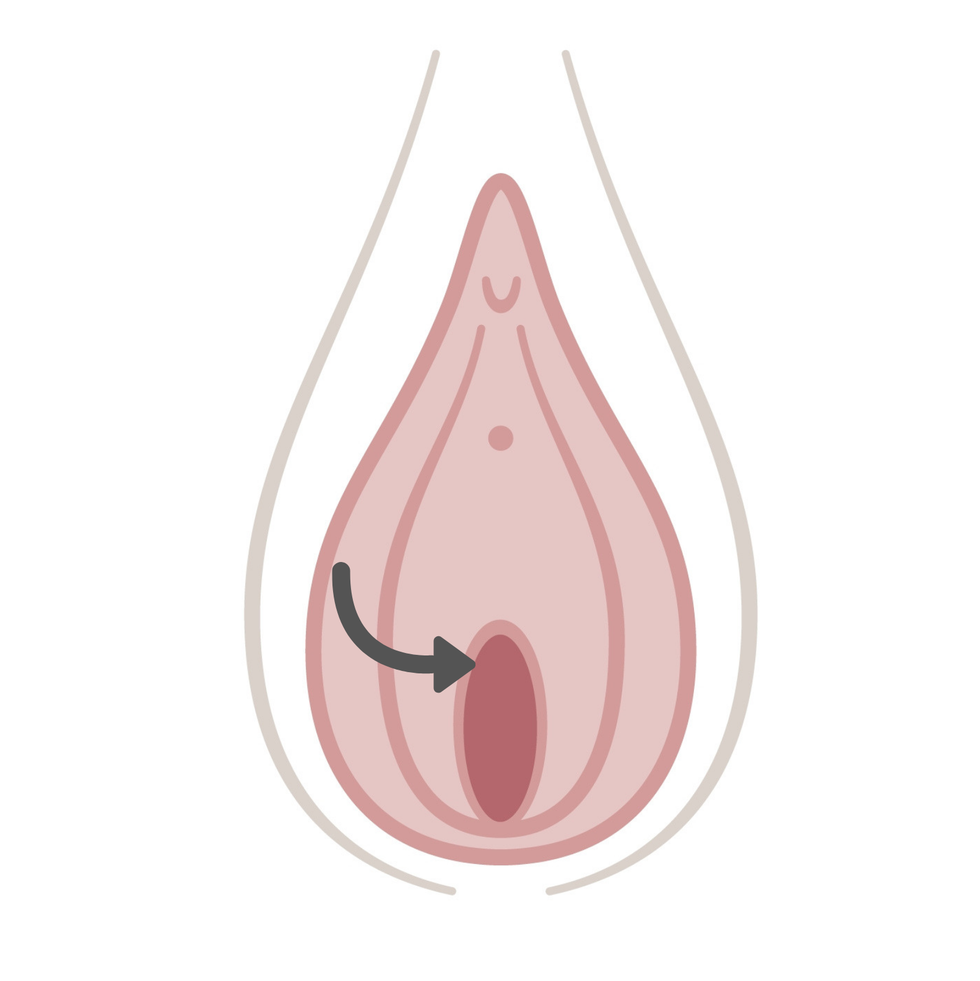
The labia, also known as the vaginal lips, are part of the female external genitalia. They are located on either side of the vaginal opening and are composed of two sets of lips: the labia majora (outer lips) and the labia minora (inner lips).
The labia majora are the larger, outer folds of skin that enclose and protect the other structures of the vulva. They are typically covered with pubic hair and contain fatty tissue, sweat glands, and blood vessels.
Inside the labia majora are the labia minora, which are smaller, inner folds of skin. The labia minora can vary in size, shape, and color among women. They are often more sensitive and delicate than the labia majora and have a higher concentration of nerve endings. The labia minora surround the clitoral hood at the front and extend back to the vaginal opening.
The labia play important roles in sexual arousal, protection of the internal genitalia, and maintaining the moisture and pH balance of the vaginal area. They are a natural and normal part of female anatomy, exhibiting variations in appearance among individuals.
What Causes Large Labia?
The exact cause of large labia, also known as labial hypertrophy or enlarged labia minora, is not always clear-cut. It can occur due to a combination of various factors, including:
- Genetics: Like many physical traits, the size and shape of the labia can be influenced by genetic factors inherited from one’s parents or family members.
- Hormonal fluctuations: Hormonal changes during puberty, pregnancy, or menopause can affect the growth and development of the labia. Fluctuations in estrogen and other hormones can contribute to tissue growth and changes in the vulvar area.
- Childbirth: Giving birth can stretch the vaginal opening and the surrounding tissues, including the labia. This can lead to permanent enlargement or changes in the labia minora.
- Aging: As women age, changes in hormone levels and natural tissue laxity can cause the labia to lose elasticity and appear larger or more elongated.
- Chronic irritation or inflammation: Conditions such as chronic rubbing, friction, or inflammation in the vulvar area may contribute to labial enlargement over time. This can be due to factors like tight clothing, certain types of exercise, or underlying medical conditions.
It’s important to note that large labia are often a natural variation and not a medical problem. However, if the enlarged labia cause physical discomfort, interfere with daily activities, or significantly impact a person’s psychological well-being, they may choose to explore treatment options with a healthcare professional.
Large Labia Symptoms
Large labia, or labial hypertrophy, may not cause any symptoms for many women. However, in some cases, women with large labia may experience the following symptoms or concerns:
- Discomfort or irritation: The enlarged labia can result in discomfort or irritation during physical activities such as exercise, wearing tight clothing, or engaging in sexual intercourse. The excess tissue may rub against clothing or be subjected to increased friction, leading to discomfort or even pain.
- Hygiene challenges: Some women with large labia may find it more difficult to maintain proper hygiene in the vulvar area. The excess folds of tissue can make it harder to clean effectively, leading to increased moisture, odor, or an increased risk of infections.
- Self-consciousness or body image concerns: Women with enlarged labia may experience self-consciousness or dissatisfaction with the appearance of their genitalia. This can potentially affect their self-esteem, sexual confidence, or intimate relationships.
- Interference with sexual activities: In some cases, large labia may interfere with sexual activities or cause discomfort during intercourse. The excess tissue may get in the way or be sensitive to friction, impacting sexual pleasure or causing discomfort.
When to See a Healthcare Provider

It is important to note that large labia, in most cases, are a natural variation and not a cause for concern. However, if you are experiencing any of the following situations or concerns related to your labia, it may be advisable to consult with a healthcare provider:
- Persistent discomfort or pain: If your enlarged labia are causing persistent discomfort, pain, or irritation that affects your daily activities or quality of life, it is recommended to seek medical advice.
- Difficulty with hygiene: If you find it challenging to maintain proper hygiene in the vulvar area due to the size or shape of your labia, it is advisable to consult with a healthcare provider. They can guide hygiene practices or suggest interventions to improve your comfort.
- Signs of infection or inflammation: If you experience symptoms such as redness, swelling, itching, abnormal discharge, or an unpleasant odor, it could indicate an infection or inflammation. In such cases, it is important to seek medical attention for proper diagnosis and treatment.
- Emotional distress or body image concerns: If you feel self-conscious, unhappy, or distressed about the appearance of your labia, and it is impacting your self-esteem or intimate relationships, discussing your concerns with a healthcare professional can provide support and guidance.
- Sexual difficulties: If your enlarged labia are causing discomfort or interfering with sexual activities, it can be helpful to consult with a healthcare provider. They can evaluate the situation and discuss potential treatment options or provide guidance on managing sexual concerns.
Diagnosis
Diagnosing large labia, or labial hypertrophy, typically involves a physical examination and a discussion of the patient’s symptoms and concerns. Here’s what you can expect during the diagnosis process:
- Medical history: Your healthcare provider will start by asking about your medical history, including any previous concerns or symptoms related to your labia. They may also inquire about any underlying medical conditions or previous surgeries that could be relevant.
- Physical examination: A physical examination will be conducted to assess the size, shape, and appearance of your labia. This examination is usually done in a private and comfortable setting. Your healthcare provider may use gloves and a light source to carefully examine the labia and surrounding structures.
- Discussion of symptoms: You will have an opportunity to discuss any symptoms, discomfort, or concerns you are experiencing related to your labia. It is essential to provide detailed information about the nature, duration, and intensity of any symptoms you may be experiencing.
- Additional tests or evaluations: In most cases, a diagnosis of large labia can be made based on the physical examination and discussion of symptoms. However, if there are concerns about underlying conditions or if there are accompanying symptoms that require further evaluation, your healthcare provider may recommend additional tests or refer you to a specialist, such as a gynecologist or a urogynecologist.
It’s important to communicate openly with your healthcare provider during the diagnosis process. This will help ensure an accurate assessment and provide the necessary information for developing an appropriate treatment plan if needed.
Large Labia Cyst
A cyst is a fluid-filled sac that can form in various parts of the body, including the labia. When a cyst develops specifically in the labia, it is referred to as a labial cyst. Labial cysts can occur in women of any age and are usually benign (non-cancerous). However, they can sometimes cause discomfort or become infected, requiring medical attention.
Here are some key points about labial cysts:
- Causes: Labial cysts can develop when the glands in the labia become blocked or obstructed. This can cause fluid or secretions to accumulate, leading to the formation of a cyst. The exact cause of gland blockage is not always clear, but factors such as hormonal changes, trauma, infection, or inflammation can contribute to their development.
- Symptoms: Labial cysts are typically small, painless lumps or bumps that can be felt under the skin of the labia. They may be soft or firm to the touch. In some cases, the cysts may grow larger and become more noticeable or cause discomfort during activities like walking, sitting, or sexual intercourse. If a labial cyst becomes infected, it may become red, swollen, tender, and painful.
- Treatment: Treatment for labial cysts depends on their size, symptoms, and whether they are infected. Small, asymptomatic cysts may not require treatment and can resolve on their own. However, if a cyst is causing discomfort or becomes infected, medical intervention may be necessary. Treatment options may include warm compresses to promote drainage, antibiotics to treat infection, incision and drainage of the cyst, or surgical removal in certain cases.
If you suspect you have a labial cyst or are experiencing symptoms related to it, it is recommended to consult with a healthcare provider. They can evaluate the cyst, confirm the diagnosis, and provide appropriate treatment or referrals if needed.
Large Labia Treatment
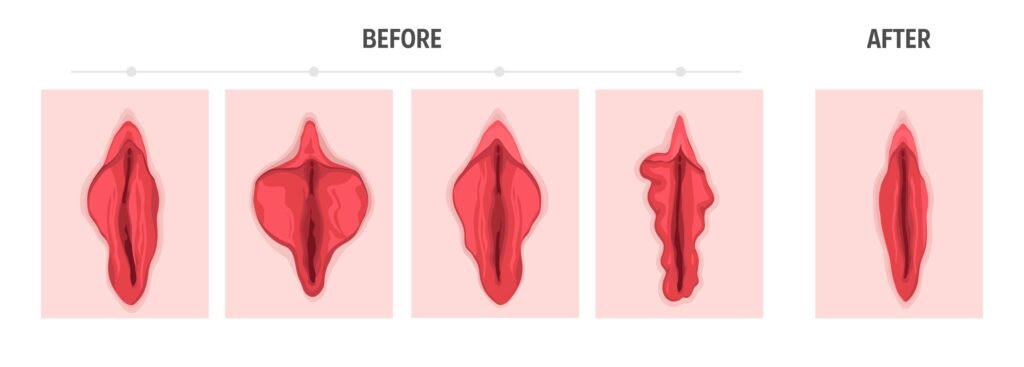
When it comes to large labia, treatment options can vary depending on the specific concerns, symptoms, and personal preferences of the individual. Here are some common treatment approaches that may be considered:
Non-surgical management:
– Pelvic floor exercises: Strengthening the pelvic floor muscles through exercises like Kegels may help improve muscle tone and provide some reduction in the prominence of the labia.
– Symptom management: Taking steps to alleviate discomfort or irritation, such as wearing loose-fitting clothing, using lubricants during sexual activity, or practicing good hygiene, can help improve symptoms associated with large labia.
Surgical interventions:
– Labiaplasty: Labiaplasty is a surgical procedure in which the labia minora are reshaped or reduced in size. This procedure aims to address physical discomfort, alleviate self-consciousness, or improve the aesthetic appearance of the labia. It is important to have a thorough consultation with a qualified healthcare professional or plastic surgeon to discuss the potential risks, benefits, and expected outcomes of labiaplasty.
It is crucial to remember that decisions regarding treatment for large labia are highly personal. It is recommended to consult with a healthcare professional or a specialist such as a gynecologist or a plastic surgeon who can provide a thorough evaluation, discuss the available options, address any concerns, and help guide you toward the most appropriate treatment approach based on your individual needs and preferences.
Labiaplasty
Labiaplasty is a surgical procedure that involves reshaping or reducing the size of the labia minora (inner lips) or the labia majora (outer lips) of the vulva. It is a cosmetic procedure designed to address concerns related to the size, shape, or symmetry of the labia, or to alleviate physical discomfort or emotional distress associated with large labia.
Here are some key points about labiaplasty:
- Procedure: Labiaplasty can be performed under local anesthesia with or without sedation, or under general anesthesia, depending on the specific case and the preference of the patient and surgeon. During the procedure, excess tissue is removed from the labia, and the remaining tissue is reshaped and sutured to achieve the desired aesthetic or functional outcome.
- Candidates: Candidates for labiaplasty may include women who experience physical discomfort or irritation due to large labia, those who feel self-conscious about the appearance of their labia, or individuals whose labia interfere with daily activities or sexual intercourse. It is essential for individuals considering labiaplasty to have realistic expectations and a thorough understanding of the potential risks, benefits, and limitations of the procedure.
- Recovery: After labiaplasty, it is common to experience swelling, bruising, and discomfort in the surgical area. Pain medication and cold compresses can help manage these symptoms. It is important to follow the post-operative instructions provided by the surgeon, which may include recommendations for hygiene, wound care, and avoiding certain activities or sexual intercourse during the healing period. Full recovery can take several weeks, and it is advisable to avoid vigorous physical activities during this time.
- Risks and considerations: As with any surgical procedure, labiaplasty carries potential risks and complications, including infection, bleeding, scarring, changes in sensation, asymmetry, or dissatisfaction with the aesthetic outcome. It is crucial to have a detailed discussion with a qualified surgeon to understand the risks and benefits of the procedure and to ensure that you are a suitable candidate for surgery.
Labiaplasty is an elective cosmetic procedure, and the decision to undergo it should be made after careful consideration and consultation with a qualified healthcare professional or plastic surgeon. They will be able to assess your situation, discuss the available options, address any concerns, and help you make an informed decision about whether labiaplasty is right for you.
How can I stop lips from growing?
The growth and development of the labia are primarily influenced by factors such as genetics, hormonal changes, and natural bodily processes. It is important to understand that the size and shape of the labia can vary among individuals, and having larger labia is a normal and common variation.
If you are concerned about the growth of your labia, it is recommended to consult with a healthcare professional or a gynecologist. They can evaluate your specific situation, discuss any underlying causes or potential contributing factors, and provide appropriate guidance or treatment options.
However, it’s important to note that there are no guaranteed methods to stop the growth of the labia. The size and shape of the labia are determined by various factors beyond an individual’s control. Hormonal fluctuations, genetics, and natural bodily changes throughout life can all influence the appearance of the labia.
Remember, labia come in different sizes and shapes, and having larger labia is not inherently a cause for concern. It is important to embrace and accept the natural variations of our bodies. If you are experiencing discomfort, physical symptoms, or emotional distress related to your labia, discussing your concerns with a healthcare professional can help provide guidance and support tailored to your individual needs.


