
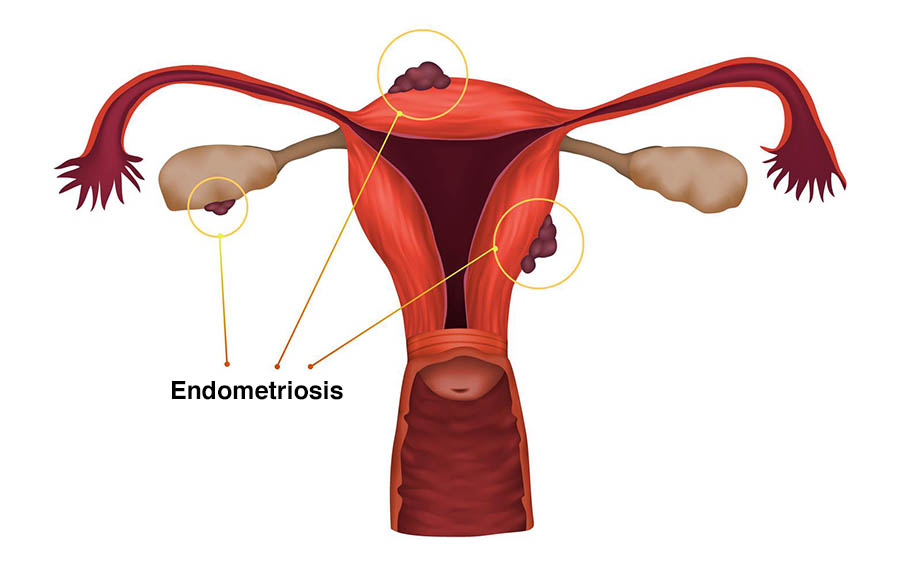
Endometriosis is a disease that occurs in 10% of women of reproductive age. This condition can be painful. At the same time, it may worsen over time. The complexity of endometriosis and related symptoms is difficult to understand at first. In this article, we will talk about the causes of endometriosis and possible risk factors. You can also access all the information about when you should see a doctor, what the symptoms of endometriosis are, and its complications.
Endometriosis Symptoms
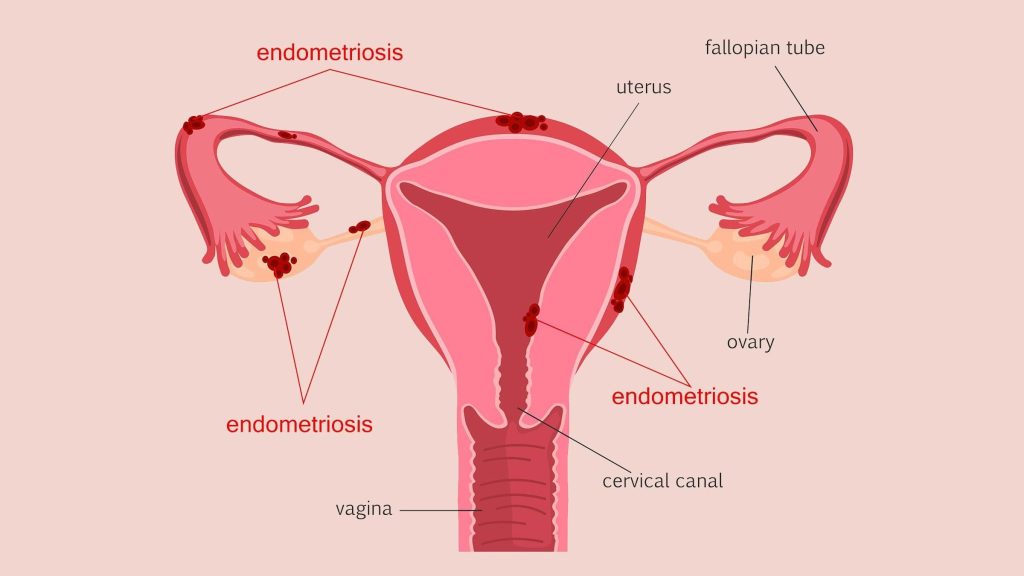
Endometriosis symptoms may vary from person to person. However, one of the most common symptoms is pelvic pain. Your pelvis is the lower part of your torso and is located between the legs and abdomen. Pelvic pain associated with endometriosis generally occurs during menstruation. This process can be quite painful.
The intensity of your pain doesn’t always prove the magnitude of the condition you’re in. In some cases, little or no pain is also associated with severe endometriosis. Severe pain may be associated with mild endometriosis. If you have any or all the following symptoms, you may have endometriosis. These:
• Severe menstrual cramps
• Problems with fertility
• Pain during or after intercourse
• Excessive bleeding or spotting between periods
• Painful bowel movements and urination
• Diarrhea, constipation, bloody stools, urine
• Nausea and vomiting
• Lower back or pelvic pain
• Don’t experience extreme fatigue
After the cessation of estrogen production, also known as menopause for the body, the pain generally decreases. Also, remember that the size or amount of lesions is always related to the level of pain you may feel.
Risk Factors for Endometriosis
Endometriosis risk factors include:
• Experiencing heavy and long menstrual periods
• Having menstrual cycles of less than 27 days
• Having a family history of endometriosis
• Menstruation at a young age
• Having much higher estrogen levels than is considered normal
If any of these factors affect you, you can have meetings with your gynecologist. You are likely to be at risk of endometriosis. But you may also have other underlying issues that need to be addressed. Therefore, you should consult a specialist physician.
How serious is endometriosis?
Endometriosis is a disease that can affect your daily life. It can cause long-term pain and disruptions in your menstrual cycle as well. You may even experience fertility problems. The symptoms of endometriosis can generally be managed with appropriate treatment methods.
Who can get endometriosis?
Endometriosis is a problem that usually affects people who are most likely to be between the ages of 25 and 40. It can also often occur in young people who are in adolescence. At the same time, even if many people get rid of the symptoms of endometriosis after menopause, it can continue to cause discomfort and pain.
Is endometriosis genetic?
Experts do not know exactly the exact cause of endometriosis. However, if there is a family history of individuals diagnosed with endometriosis, there is a connection between the increased risk of developing endometriosis at this point. If another person in the family has symptoms of endometriosis in your mother, grandmother, or sister, ask about your risk for this disease.
What is the treatment for endometriosis?

Your healthcare professionals will help you create a treatment plan for endometriosis based on several factors, including the following conditions.
• The severity of your endometriosis.
• Your future planned pregnancy.
• Your age.
• The severity of your symptoms.
In many cases, your treatment plan will focus primarily on managing your pain and improving your fertility issues. This process occurs through medication or surgery. Medications also help control the symptoms of endometriosis in general. These include pain medications and hormone treatments. Some of the hormonal options offered to suppress endometriosis include:
• Birth Control: There are many hormonal suppression methods, including combination options that use estrogen and progesterone, and options that contain only progesterone. These include oral birth control pills, patches, vaginal rings, birth control needles, Nexplanon implants, and many more. This hormonal treatment helps people in general to have lighter and less painful periods. However, these methods are not an option for patients attempting pregnancy.
• Gonadotropin-Releasing Hormone Drugs: These drugs are used to stop the hormones that cause your menstrual cycle. It puts your reproductive system on hold as a way to relieve your pain. These medications can be taken orally through pills. It is also used in the form of a needle or nasal spray.
• Danazol: stops the production of hormones that help you menstruate. This drug is taken for the symptoms of endometriosis. You may have menstrual periods in between while using the drug. It can even stop altogether.
If you stop taking the drug with all these indicated medications, your symptoms will start again. These drugs are strongly not recommended during pregnancy or for those who are actively trying to get pregnant. Before you start, you should discuss the pros and cons of your medication with your specialists.
Pain medications for endometriosis include:
• Over-the-counter painkillers
• Nonsteroidal anti-inflammatory drugs
In some cases, surgery may be recommended by your provider to confirm and treat endometriosis. However, it should not be forgotten that surgical operations always have risks. At the same time, endometriosis surgery is an effective way to relieve pain and, in some cases, improve your fertility as well.
Endometriosis can be seen as a chronic disease. Many people get relief from the pain of endometriosis after surgery. But symptoms may reappear within a few years. The severity of endometriosis depends on how quickly it comes back after surgery. He or she may also recommend combining a surgical procedure with medications to achieve the best outcome with your provider. Your provider may also recommend medicated and non-medicated pelvic floor physical therapy for your central nerve pain. Surgical procedures that can be preferred for the treatment of endometriosis are:
• Laparoscopy: In this surgery, the surgeon makes a very small incision in your abdomen. Then a thin tube-like instrument called a laparoscope enters your body. This tool is used to see inside your body and identify endometriosis with a high-resolution camera. An additional 5-millimeter instrument can be used afterward to remove the lesions located inside.
• Hysterectomy: In severe cases, if you have other uterine conditions such as adenomyosis and you want to have children in the future, your surgeon may recommend that you have your uterus removed depending on the amount of endometriosis and scar tissue you have. If you have hysteria, areas of endometriosis still need to be excised to best reduce your pain.
If you are suffering from endometriosis and are trying to get pregnant, IVF will help you achieve this goal.
Causes of Endometriosis
Endometriosis occurs around the reproductive system, where the menstrual cycle is regulated by hormones produced by the ovaries. For a typical reproductive system, an increase in the hormone estrogen is observed almost every month. It also causes the inner surface of the uterus to thicken. This lining is called the endometrium. If the woman does not get pregnant, she will have her period. In other words, the endometrium breaks down and falls apart.
Endometriosis has a similarity to the endometrium. It is a disease whose tissue, which is very similar to the endometrium, grows in places other than the uterus. An endometrium-like tissue is commonly called a lesion or implant. Although the exact cause of endometriosis has not been fully determined, many medical experts believe that people’s risk of developing this disease is due to common factors.
When to See Your Doctor
Endometriosis can be a truly debilitating and extremely painful condition. If you suffer from pain in your pelvic area or experience the common symptoms listed above, you will need to talk to your gynecologist. Endometriosis with some symptoms, including pelvic inflammatory disease, and irritable bowel syndrome, is a disease that can be mistakenly diagnosed. You must be evaluated by an experienced endometriosis doctor who is familiar with the disease.
Infertility and Other Complications from Endometriosis

Endometriosis and Infertility
For some people, infertility is the only symptom of endometriosis. Even if there is no physical pain, emotional pain can continue. Approximately one-third of women with symptoms of endometriosis are affected by infertility. The exact cause of the relationship between endometriosis and infertility is unknown. There are possible reasons for this.
In the process of becoming pregnant, the egg must be released by an ovary and taken by the fimbria, a tissue fringe around the end of the fallopian tube. When this occurs, the oocyte is allowed to pass through the fallopian tube and be fertilized by a sperm cell. Then, with its arrival in the womb, its development begins and thus implants the uterine wall.
Endometriosis is also known to cause swelling and inflammation in the reproductive organs. This can damage the sperm. But it begins to affect the fimbria and other areas that carry the egg before it reaches the uterus. Endometriosis lesions are also the case when they adhere to neighboring pelvic organs and stick together, preventing them from working properly.
Other Complications from Endometriosis
Endometriosis does not only cause infertility. It can also cause the following other complications in women.
• Ovarian cysts: Cysts in the ovaries that are very painful and often even large, fluid-filled.
• Adhesions: Endometrium-like tissue causes the reproductive organs to stick together.
• Surgical complications: The most common surgical complications include wound-borne infections, minor bleeding, and bruising around the wound.
Diagnosing Endometriosis
To diagnose endometriosis, your gynecologist will ask you to explain the symptoms of this disease and when it started, and where you feel your pain. The following tests are used by your doctor to check for physical signs of endometriosis.
• Pelvic examination: This examination by your doctor allows you to manually feel the cysts in your organs in the pelvic area, and the wounds behind your uterus.
• Ultrasound: You can use both transducer ultrasound and transvaginal ultrasound. The transducer is an ultrasound device that is pressed into your abdomen. At the same time, a transvaginal ultrasound is a device that is inserted into your vagina. As a result of this procedure, cysts that may be associated with your pain will be identified.
• MR: With this method, you can also get detailed images of organs and even tissues in your reproductive area. It is often used to plan the surgery. Your doctor uses this to see if there are any lesions and adhesions on your organs.
• Laparoscopy: To temporarily treat your endometriosis, your doctor may order minor outpatient surgery. The surgeon makes an entrance through your navel. It then uses a laser or cutting scope to connect lesions that form outside your uterus or other reproductive organs.
Your preferred treatments will vary depending on which stage of endometriosis you are at. The amount of pain that everyone experiences is also different. For this reason, endometriosis is divided into 4.
Endometriosis Stages
They are classified depending on the stages, the extent and location of the lesions, as well as the severity of the adhesions. The stages also take into account whether you have ovarian cysts and their size, too. The four stages of endometriosis and the symptoms associated with each of them are listed below.
• Stage 1: Also called minimal endometriosis. They are small-scale lesions and do not have adhesion.
• Stage 2: Also called mild endometriosis. They are shallow lesions without significant adhesions, 5 cm or smaller in diameter.
• Stage 3: Moderate endometriosis, deep-seated lesions, cysts, and fine adhesions are present in one or both ovaries.
• Stage 4: Severe endometriosis, there are multiple deep lesions. Large cysts are located on the ovaries and they are thickly adherent.


