
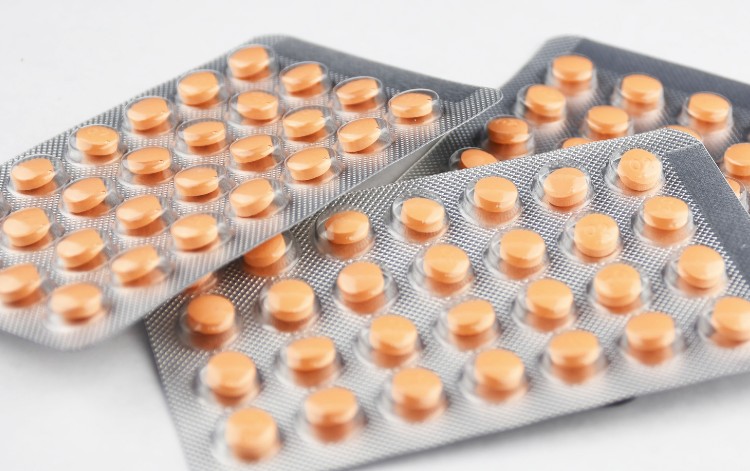
Hormone Replacement Therapy (HRT) is a therapy used to relieve symptoms during menopause. HRT is also used as a medical abbreviation. It replaces female hormones, which are at much lower levels when experiencing menopause.
Estrogen and progesterone are female hormones that have a very important role in a woman’s body. Falling levels often cause hot flashes, mood swings, and vaginal dryness. You may see symptoms both emotionally and physically. The purpose of HRT is to give many women a sense of relaxation. Thus, it also restores female hormone levels.
How to get started on HRT
If you’re interested in starting hormone replacement therapy, you’ll need to talk to your local GP office first. HRT is a treatment that is generally applied when menopausal symptoms begin to be experienced. It usually doesn’t require you to do any tests. Apart from that, if you’re between the ages of 40 and 45, they can do a blood test to measure your hormone levels. If you’re under 40 and experiencing menopausal symptoms, blood tests may also be done to help diagnose suspected early menopause. Your GP will also explain the different types of HRT available to you. It helps you choose the most appropriate treatment for you in this sense.
Types of HRT
There are two different types of HRT available. These:
- Combined HRT (estrogen and progestogen): Used for women who still have a uterus.
- HRT, which contains only estrogen: Used for women whose uterus has been removed by hysterectomy.
There are several ways to get estrogen, including:
- Taking orally with tablets
- Patch that you can apply to your skin
- Using an implant
- Estrogen gel was applied to the skin and absorbed
- Estrogen spray that can be applied to the forearm
When it is necessary to protect the uterine lining from being stimulated by estrogen, a progestogen is found as follows:
- Combined with estrogen with the help of tablets
- Combined with estrogen used in patches
- Using tablets or separately as a progestogen-release coil
Choosing the right HRT for you
Finding the right HRT to suit your symptoms is crucial. To begin with, prescriptions are generally given for low doses of HRT hormones. You can even increase your dose in the later stages if necessary.
After starting HRT, do not forget to use it regularly for a few months to see if it works for you. If it is not suitable, you can try a different type. You can even observe it yourself by increasing the dose. If you have any problems with HRT, it’s important to talk to your doctor.
Shortage of some HRT products
Supply problems are likely to occur when using some HRT products. Especially for some products, one of the main reasons for this is the supply. For others, it is also a longer-term famine. There are many different reasons for the inadequate supply of drugs. Studies continue to be carried out with drug manufacturers who make drugs that will help the situation.
If your pharmacies do not provide you with the specific GRT product given by prescription, they may provide an alternative product instead. These will usually be products that have the same content. But they are products that can also be made by a different manufacturer. As much as possible, your pharmacy can also reduce the amount it provides to you to help ensure that many women have access to the necessary medications.
Interruptions in HRT medications can be alarming if they have been prescribed for you. However, always remember that there are alternative options. If you are worried about this issue, you can consult your doctors or family physicians who will offer you the right treatment options for you.
When HRT is not suitable
Hormone Replacement Therapy may not be appropriate in the following situations. You may even need an expert’s opinion. These:
- If you have a history of breast cancer, ovarian cancer, uterine cancer
- If you have blood clotting, the use of tablet HRT is usually not recommended. However, taking HRT through the skin is a conceivable method.
- Heart disease or stroke condition
- If you have high blood pressure that is untreated, your blood pressure will need to be checked before starting HRT.
- Liver disease
- If you are pregnant or breastfeeding
Different types of medications and prescriptions may also be recommended for these conditions to manage your menopausal symptoms.
Side effects of HRT
Estrogen and progestogen hormones used in hormone replacement therapy may also have side effects. Side effects usually improve over time. For this reason, it will be more appropriate to try the treatment plan prescribed to you for at least 3 months. If side effects persist after this process, you may have a consultation with your doctor to review your treatment plan. The hormones used in HRT can have the following side effects. These:
- Fluid accumulation
- Bloating
- Breast tenderness or swelling
- Headache
- Indigestion
- Depression
- Vaginal bleeding
If the side effects continue, your doctor can apply an alternative treatment plan for you.
Weight gain
Many women believe that taking HRT will also make them gain weight. However, this is not the case. In short, there is no clear evidence of this. You may gain some weight during menopause. However, this situation is usually not comparable to HRT. Because whether you take HRT or not, you may continue to gain weight. For this, you can take care to eat regularly and exercise. Thus, you will maintain your weight.
Understanding the benefits and risks
It is known that HRT remains the most effective remedy for helping menopausal symptoms. It is also very effective in preventing osteoporosis. In addition, it also protects against heart diseases. It’s important to consider the risks when deciding whether or not to have hormone replacement therapy.
You may have heard about the link between breast cancer and HRT. It is said that HRT has been effective under the guidelines of the National Institute for Health and Care Excellence. It is also said to be recommended for women with menopausal symptoms.
If you want to start HRT, your priority should be to meet with your GP or practice nurse in your practice. So, they can discuss both the risks and benefits with you. This way, you can also decide what’s right for you and what’s not.
Remember that every woman experience menopause differently. Therefore, there is no way to know how long the symptoms will last and how long HRT should be taken. It is one of the situations in which women with prolonged symptoms may need to continue taking HRT to better maintain their quality of life.
When to stop taking HRT
Many women generally leave between two and five years after starting treatment after their menopausal symptoms end. However, in some cases, this period may be much longer. It will be healthier for you to reduce your HRT dose gradually instead of stopping it suddenly. After you stop taking HRT, you may find that your menopausal symptoms also come back. However, all this passes within a few months.
You may also still need expert help to manage vaginal dryness and prevent osteoporosis after stopping HRT. You can also learn about the best ways to prevent osteoporosis. There are also creams, lubricants, and local estrogen preparations for vaginal dryness and discomfort. You also don’t need to suffer vaginal dryness and discomfort without treatment.
Alternatives to HRT
If you decide you don’t want to take HRT, there are many alternative treatments to manage your menopausal symptoms. By consulting your experts, you can act more consciously at this point.
What is Bio-Identical Hormone Replacement Therapy?
Bio-identical Hormone Replacement Therapy (BHRT) is a treatment method used to supplement hormones such as estrogen and progesterone that decrease in the body of women during the postmenopausal period. These hormones become no longer produced in women after their ovaries stop functioning.
BHRT uses naturally sourced hormones and is therefore referred to as “bio-identical”. This treatment differs from other hormone replacement therapies that contain synthetic hormones.
BHRT can be used to alleviate postmenopausal symptoms, including hot flashes, insomnia, mood changes, vaginal dryness, and bone density loss such as osteoporosis.
BHRT is prescribed in different doses according to a person’s hormone levels. Hormones are typically administered through the skin (topically), orally, or vaginally.


