
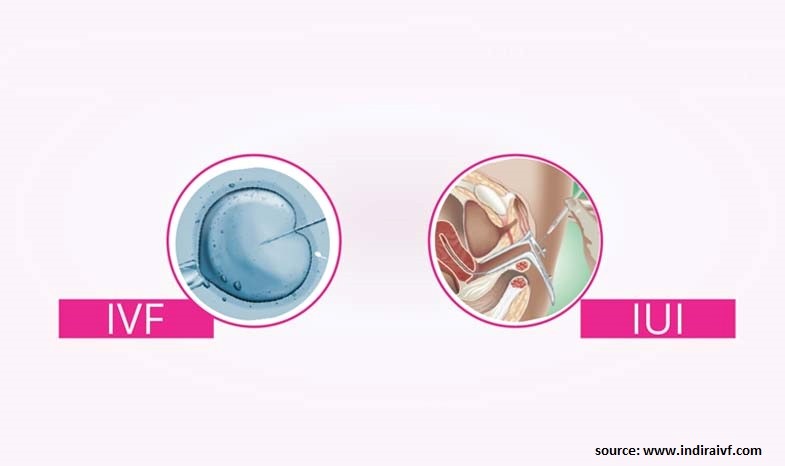
Getting pregnant isn’t always as easy as hoped. Many couples resort to medical interventions to get pregnant. Intrauterine insemination (IUI) and in vitro fertilization (IVF) methods also come to the fore here. IUI VS IVF is two types of artificial fertility treatments that help you when you can’t get pregnant on your own. During IUI, sperm is injected directly into your uterus. In IVF, a multi-step reproductive technology is used that includes egg simulation, collection, laboratory fertilization, and transfer. At this point, Lotus office serves you in the best way with its expert doctors.
What are IUI and IVF?
If you have difficulty getting pregnant naturally, your fertility specialist may recommend vaccination or IVF methods. If you are trying to get pregnant using donor sperm, if you are a couple of the same sex, or if you want to become a single parent by your own choice, it is possible to resort to these procedures. So, what is the difference between iui and ivf?
What is IUI?
During IUI, intrauterine fertilization, sperm is placed directly into your uterus. Thus, the distance that the sperm has to travel is shortened and it becomes easier for them to reach your eggs. For IUI, sperm must be separated from the seminal fluid. For this, the semen sample is washed and then the entire sperm sample is injected directly into the uterus. Thus, compared to traditional intercourse, it also significantly increases the number of sperm in the uterus.
This method is a quite simple and in-office method. The process occurs on the day after an increase in ovulation. The duration of procedure takes approximately 5 to 10 minutes. Your doctor will also use a speculum to find your cervix. It then inserts a thin catheter into your uterus using it to inject the sperm sample.
In some cases, the IUI method can also be combined with ovulation induction, in which you take medication to stimulate the development and release of eggs. It also increases the likelihood of conception in some people.
What is IVF?
The IVF method consists of several steps. Normally, your ovaries produce only one follicle each month. But during IVF, you get high doses of the injectable hormone to produce multiple follicles. The goal here is to produce 10 to 15 follicles containing eggs. Some people may do more at age, depending on medical history and factors such as ovarian reserve, while others may do less.
Once these eggs begin to mature, the doctor easily removes them from your vagina through a 10-minute outpatient surgical procedure called oocyte collection. The eggs then go to the laboratory to be combined with spousal or donor sperm and are transferred to your uterus, resulting in embryos. It can even be frozen for future use.
The benefits of IUI and IVF
Each of the IUI vs IVF methods has a very important role in the treatment of infertility. You can learn how to get started with the help of your doctor, who can also help you with the next steps in your fertility journey.
Which one is right for you?
Your doctor begins treatment by checking for causes of infertility, including irregular ovulation, abnormal sperm, blocked fallopian tubes, and endometriosis. You should also consider your age, known health conditions, personal health history, and family health history to make customized recommendations tailored to your needs.
When to do IUI first
If you have unexplained infertility and your partner also has mild male factor infertility, your doctor may recommend a vaccination method at this point. IUI is cheaper than IVF. It is also a less invasive procedure. For this reason, it is usually recommended as a first step.
When to start IVF
After undergoing three or four unsuccessful IUI procedures, your doctor will direct you to switch to IVF. In some cases, if you and your partner have the following conditions, your doctor will skip vaccination and recommend going directly to IVF.
- Severe male factor infertility
- Blocked fallopian tubes that cannot be corrected by surgery
- Multiple lows
- endometriosis
Which is more successful, IUI or IVF?
It should not be forgotten that undergoing infertility treatments does not mean a guarantee for a baby. But your chances of getting pregnant increase. Although IVF technically has a much higher success rate than IUI, it is not simple. Your success rate also depends on the characteristics of your body. Relying on raw data and percentages won’t always help this cause.
IUI success rates
In each monthly trial, the individual success rate for IUI is between 15% and 20%. Doctors recommend trying three to four rounds of IUI, with a cumulative success rate of 40% to 50%. In the general population, the average monthly pregnancy rate is 1 in 5 couples, or 20% per month. To achieve the same success rates as IUI, Lotus office performs most studies in this sense.
IVF success rates
IVF failure rates depend on factors such as your age, ovarian reserve, the cause of infertility, and the successful pregnancies you have had before. In general, many patients expect approximately 50% to 75% success with IVF. Because individual success rates are lower, patients may need two or three rounds of IVF before having a successful pregnancy.
What if IUI and IVF don’t work?
IVF vs IUI can happen when it doesn’t work. In such cases, you may also want to consider donor egg IVF. If another attempt is not recommended when IVF is deemed unsuccessful, many patients turn to egg IVF. Also, if you are just starting infertility treatments, you should accept that IUI vs IVF will not result in pregnancy the first time. One or both treatments need more than one attempt to get pregnant.
If you also feel the stress and sadness of infertility, you are not alone in this sense. You can also contact your doctor to contact a therapist or support group to help you cope during and after the process.


