
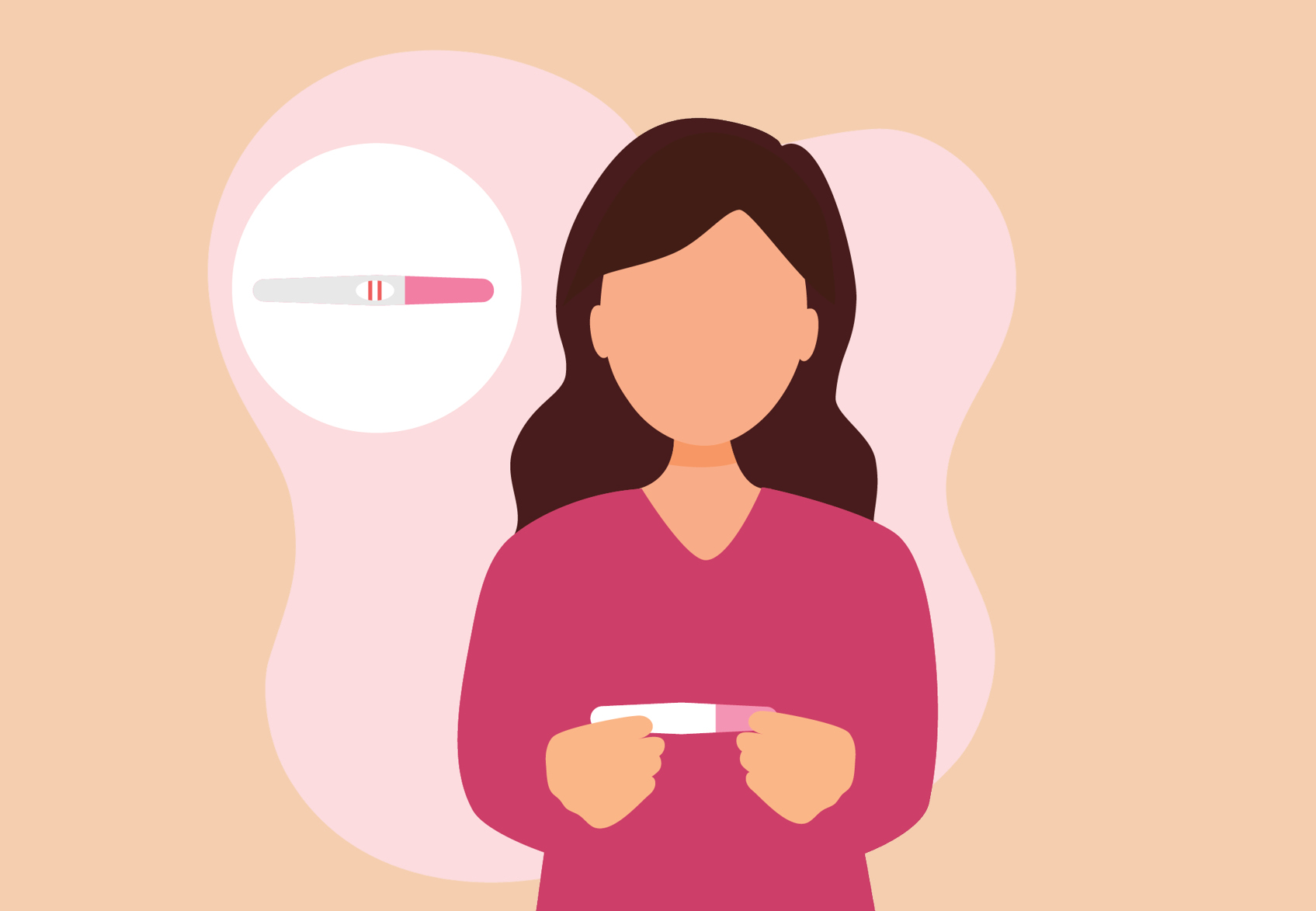
You may be looking forward to having a baby too much. Perhaps for some of you, this is the last thing you’ve been waiting for. Either way, if you think you might be pregnant, it’s important to know for sure. However, in some cases, there is also the possibility of a false positive pregnancy test. In fact, in general, home pregnancy tests are quite reliable. But there are also reasons why you might get a false positive.
You can follow the articles below to make sure when and why the pregnancy test can be wrong and that the bar is not lying.
How do pregnancy tests work?
When you become pregnant, your body produces a hormone called human chorionic gonadotropin, or hCG. If the pregnancy tests you have done at home are in your urine, it looks for this hormone. If you have hCG, you will get a positive result from the bar. However, you should also know that hCG levels start low and increase over time. If you do the test immediately after conception, it can also be said that you are not pregnant. In short, the timing can also show a pregnancy test as a false positive.
Chances of a false positive pregnancy test
According to research, false positives are said to be not very common. But it’s not impossible. These include some reasons.
Early miscarriage or chemical pregnancy
You took a pregnancy test and two lines came out, positive! But a few days later your period came. So, what happens then? The most common reason for this is early pregnancy loss, also called a chemical pregnancy. In short, the test may be correct in these cases. There was a pregnancy, but it was not feasible.
Fertility medications
Many fertility treatments have hCG injections. If you are taking fertility drugs, hCG may still be in your system. Even if you’re not pregnant, it can trigger a positive when you take a test. To avoid this confusion, wait at least 2 weeks after your last hCG injection to take a home pregnancy test.
Recent pregnancy
If you have recently been pregnant, you may still have hCG residues in your system. After treatments from childbirth, miscarriage, or ectopic pregnancy, the hormone is likely to remain in your body for up to four to 6 months weeks. This can also lead to a positive pregnancy test, as your body has not yet cleared the hCG.
User error
The use of home pregnancy tests is not difficult. Still, it’s a good idea to be careful. Because it can also lead to wrong conclusions. If you also wait a long time to read the results, or if you use more urine drops than the delivery requires, you should be suspicious of the answer. If you do not follow the instructions correctly, errors may appear in the results.
Pregnancy test accuracy: How to get results you can trust
False positives are extremely rare. There are also some steps you can take to make sure your home pregnancy test gives you results you can trust.
- The time is right: Don’t try to take the test too early. It’s also quite possible that you get a false negative or that the test detects a chemical pregnancy that isn’t progressing. It is also advisable to wait until the day your period is delayed or until a few days later to do the test. Timing is very important here. If you wait at least until the expected menstrual day, you can see that your test gives the most accurate result.
- Follow the instructions: Make sure your test has not expired. Be sure to read the instructions before you start. Follow the steps exactly as directed to avoid a stressful wrong outcome.
- Repeat: If your home pregnancy test is positive, take a blood test to confirm the result. Blood tests give a more accurate answer. This is a sure option. However, it may not always be necessary. If you get a positive result from the urine test, you can repeat it in three to five days. If he is still positive, you can rely on the result of your test.


