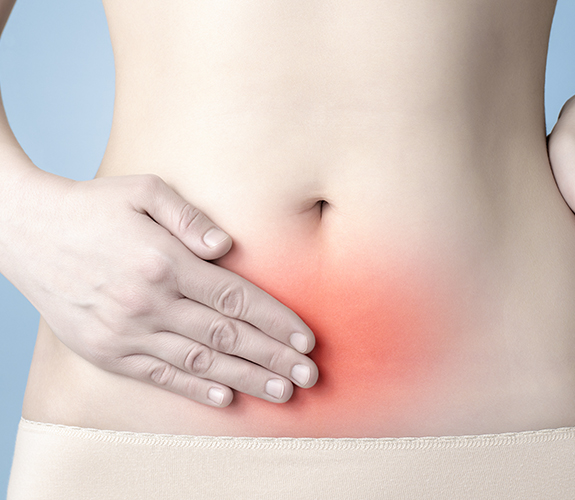
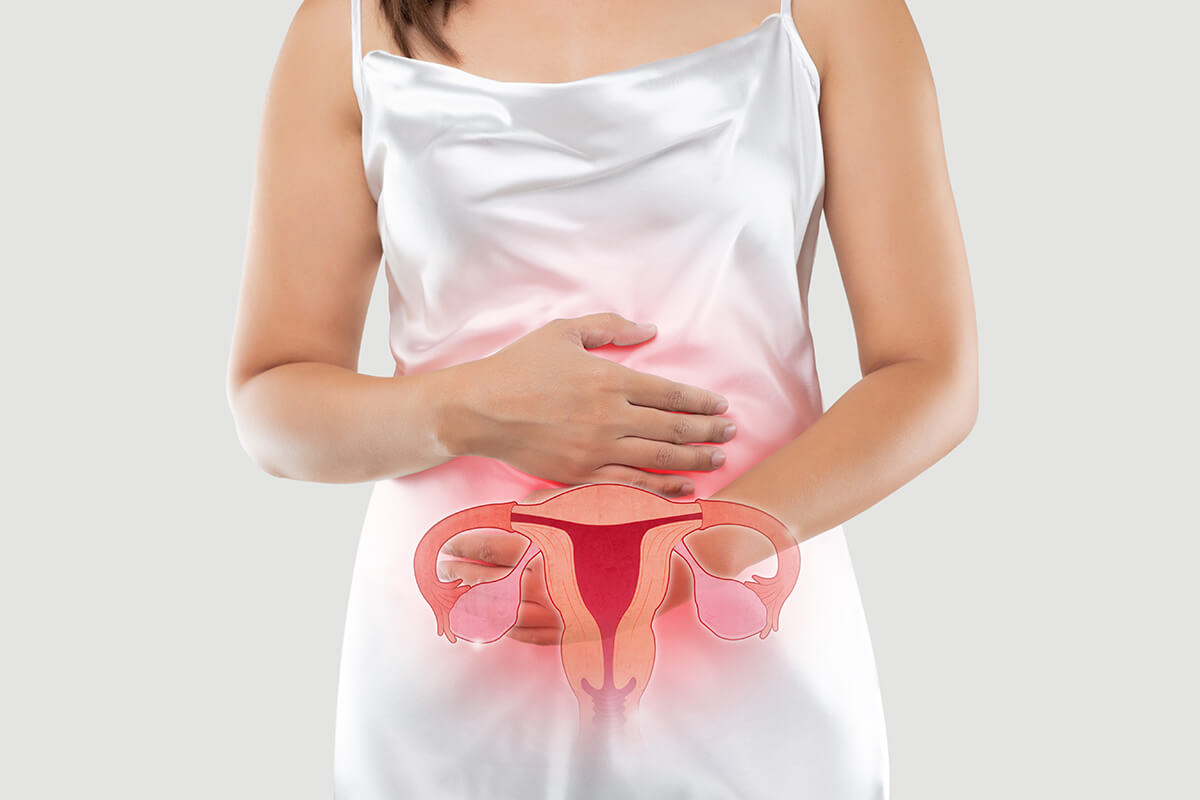
Endometriosis happens when tissue that behaves like the womb lining grows outside the uterus. The symptoms depend on where the endometrial tissue is growing, but they can have a significant impact on your life.
Treatment can help relieve your symptoms and prevent potentially serious complications. It is a good idea to see a doctor if you are experiencing menstrual problems or other symptoms that could be caused by endometriosis.
What Causes Endometriosis?
The causes of endometriosis are not fully understood, but we do know that:
The condition occurs when patches of the endometrial tissue that forms your womb lining start growing elsewhere in your body.
Common sites of endometriosis include the bowel, bladder, ovaries and pelvic area.
It isn’t clear why this happens, but it could be linked to a problem with your immune system, endometrial cells moving around in your body during your period, or your genes.
Symptoms of Endometriosis
The symptoms of endometriosis can vary depending on which parts of the body are affected and how much endometrial tissue has formed. Some women only have mild symptoms, but endometriosis can have a significant impact on your life.
You may notice:
Severe period pain that doesn’t go away when you take painkillers
Pelvic pain, which may occur when you are not on your period
Heavy periods
Discomfort during or after sex
Blood in your poo
Feeling more tired than usual
It can be difficult to recognise endometriosis symptoms because they can come and go over the course of your menstrual cycle. The symptoms can also be confused with normal period pain or other gynaecological conditions. The best way to find out what is causing these symptoms is to see a gynaecologist.