

If you are experiencing legging-related discomfort, it’s important to consult with a medical professional, such as a gynecologist or a dermatologist. They will be able to provide you with appropriate advice and guidance based on your specific situation.
However, it’s worth noting that vaginal surgery is not typically performed to address legging-related discomfort. Legging-related discomfort could be caused by various factors, such as the fabric of the leggings, poor fit, allergic reactions, or underlying skin conditions. These issues can often be resolved through non-surgical means, such as changing to more comfortable clothing materials, finding the right size and fit, and addressing any skin-related concerns.
It’s best to discuss your discomfort and concerns with a healthcare professional who can assess your situation, provide a proper diagnosis, and recommend appropriate treatments or lifestyle changes. They may refer you to a specialist, such as a dermatologist, if necessary. Remember, it’s important to seek professional medical advice for personalized guidance rather than considering surgery as the first option.
Legging-Related Discomfort: Understanding the Issue
Legging-related discomfort refers to any discomfort or pain experienced when wearing leggings. This discomfort can vary from person to person and may manifest in different ways. Some common complaints associated with legging-related discomfort include:
- Compression-related discomfort: Leggings with high compression can sometimes feel tight and restrictive, causing discomfort, especially if they are too small or the fabric is not stretchy enough. This can lead to discomfort, restricted movement, and even circulation issues.
- Skin irritation: Certain fabrics or materials used in leggings, such as synthetic fibers, may cause skin irritation, itching, or allergic reactions in some individuals. This can result in redness, rash, or general discomfort in the area covered by the leggings.
- Chafing: Leggings that rub against the skin during movement can cause chafing, leading to discomfort and sometimes even skin abrasions or blisters.
- Overheating and sweat accumulation: Some leggings may not be breathable enough, causing excessive sweating and discomfort due to moisture accumulation.
- Poor fit: Leggings that are too tight, too loose, or have an ill-fitting waistband can cause discomfort by putting pressure on certain areas or constantly slipping down.
To address legging-related discomfort, it is advisable to consider the following steps:
- Choose the right size and fit: Ensure that you are wearing leggings in the correct size and that they fit properly. Leggings that are too tight or too loose can contribute to discomfort.
- Opt for high-quality fabrics: Look for leggings made from breathable and moisture-wicking materials such as cotton, bamboo, or technical fabrics designed for athletic wear. Avoid synthetic materials that may cause skin irritation.
- Consider different styles: Experiment with different styles of leggings, such as high-waisted or seamless designs, to find the one that offers the most comfort for your body type.
- Take breaks: If you wear leggings for extended periods, take breaks to allow your skin to breathe and reduce the risk of discomfort.
- Moisturize and protect your skin: If you have sensitive skin, moisturize before wearing leggings and consider applying a thin layer of petroleum jelly or an anti-chafing cream to areas prone to chafing.
If you have persistent discomfort or if the issue worsens, it is crucial to consult with a medical professional, such as a dermatologist or a gynecologist, for a proper evaluation and guidance specific to your situation.
Vaginal Surgery for Legging-Induced Discomfort: An Option to Consider
Vaginal surgery is typically performed to address specific medical conditions or concerns related to the vagina or surrounding structures, such as pelvic organ prolapse, urinary incontinence, or certain cosmetic concerns.
Legging-induced discomfort is generally related to issues such as fabric irritation, poor fit, or other external factors. These types of discomfort can often be resolved through non-surgical means, such as adjusting clothing choices, finding the right fit, or addressing any underlying skin conditions.
It is always advisable to consult with a medical professional, such as a gynecologist or a dermatologist, who can evaluate your specific situation and provide appropriate guidance and treatment options. They can help determine the cause of your discomfort and recommend the most suitable solutions.
Remember, surgery should be considered a last resort and typically reserved for cases where conservative measures have been exhausted or when there is a specific medical need.
Common Symptoms and Causes of Legging-Related Discomfort
Legging-related discomfort can manifest in various symptoms and may have different underlying causes. Here are some common symptoms and causes associated with legging-related discomfort:
- Skin irritation or redness: Wearing leggings made from synthetic materials or fabrics to which you may be sensitive can lead to skin irritation or redness. This can result in itching, a rash, or general discomfort.
- Chafing: Leggings that have rough seams, are too tight, or have excessive friction against the skin can cause chafing. This can lead to discomfort, redness, and even skin abrasions or blisters.
- Compression-related discomfort: Leggings with high compression or that are too tight can feel constricting and cause discomfort. This may be particularly noticeable around the waist, thighs, or calves. Excessive compression can restrict movement and even affect circulation.
- Moisture accumulation and overheating: Leggings that are not breathable or moisture-wicking can lead to excessive sweating and discomfort due to moisture accumulation. This can cause the skin to feel sticky, uncomfortable, and potentially contribute to skin irritation.
- Poor fit or sizing: Leggings that are too tight, too loose, or have an ill-fitting waistband can cause discomfort. They may put pressure on certain areas, dig into the skin, or constantly slip down, leading to irritation and discomfort.
- Allergic reactions: Some individuals may have allergies to certain materials or dyes used in leggings, leading to allergic reactions. This can result in itching, redness, rashes, or other skin irritations.
To address legging-related discomfort, consider the following steps:
- Choose leggings made from breathable and moisture-wicking fabrics like cotton, bamboo, or technical materials designed for athletic wear.
- Opt for leggings with flat seams or seamless designs to minimize friction and chafing.
- Select leggings that fit properly and are the right size for your body. Avoid leggings that are overly tight or loose.
- Look for leggings with a comfortable waistband that stays in place without digging into the skin.
- Prioritize hygiene by wearing clean leggings and practicing good skincare routines to minimize the risk of skin irritation.
If you experience persistent or severe discomfort, it is advisable to consult with a medical professional, such as a dermatologist or a gynecologist, who can provide a proper evaluation and recommend appropriate treatment options tailored to your specific situation.
Is Vaginal Surgery the Right Solution for You?
Determining whether vaginal surgery is the right solution for any medical concern requires a comprehensive evaluation by a qualified healthcare professional, such as a gynecologist or a urogynecologist. It is not appropriate to jump to the conclusion that vaginal surgery is the right solution for legging-related discomfort.
Vaginal surgery is typically performed to address specific medical conditions or concerns related to the vagina or surrounding structures. These may include conditions such as pelvic organ prolapse, urinary incontinence, vaginal atrophy, or certain anatomical abnormalities. The decision to undergo vaginal surgery should only be made after careful consideration, a proper diagnosis, and a thorough discussion with a qualified healthcare provider.
For legging-related discomfort, the underlying causes are usually related to external factors such as fabric irritation, poor fit, or other issues. In most cases, non-surgical solutions are effective in addressing these concerns. These may include wearing leggings made from different materials, finding the right size and fit, choosing leggings with features that minimize friction and irritation, and addressing any skin conditions or allergies that may be contributing to the discomfort.
It is essential to consult with a healthcare professional who can evaluate your specific situation, provide a proper diagnosis, and recommend appropriate treatments or lifestyle changes. They can guide you in determining the most suitable solutions for your legging-related discomfort and help you make informed decisions about your healthcare.
The Vaginal Surgery Procedure: What to Expect
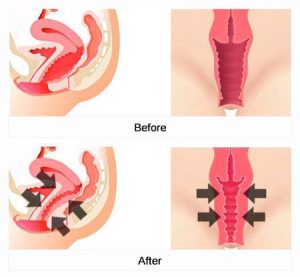
Vaginal surgery encompasses a range of procedures that are performed for various medical reasons. The specific procedure and what to expect can vary depending on the individual’s condition and the surgical technique used. Here is a general overview of what to expect for some common vaginal surgeries:
- Vaginal rejuvenation or cosmetic procedures: These procedures aim to improve the appearance or function of the vagina. They may involve techniques such as labiaplasty (reshaping the labia), vaginoplasty (tightening the vaginal canal), or clitoral hood reduction. The procedures are typically performed under local or general anesthesia and may involve the removal of excess tissue, tightening of the vaginal muscles, or reshaping of the genital area.
- Pelvic organ prolapse repair: Pelvic organ prolapse occurs when pelvic organs, such as the uterus, bladder, or rectum, descend into the vaginal canal. Surgical repair of pelvic organ prolapse involves repositioning and supporting the affected organs. This can be done through various techniques, such as using synthetic mesh or native tissue repair. The procedure is usually performed under general anesthesia and may involve an abdominal or vaginal approach.
- Vaginal fistula repair: A vaginal fistula is an abnormal connection between the vagina and other organs, such as the bladder or rectum. Surgical repair involves closing the fistula and restoring the normal anatomical structure. The specific technique used depends on the size and location of the fistula. The procedure may be performed under general anesthesia and can be approached vaginally or abdominally.
- Hymenoplasty: Hymenoplasty is a procedure to reconstruct or repair the hymen, the thin membrane at the vaginal opening. It is typically done for cultural or personal reasons. The procedure involves suturing the remaining hymenal tissue to recreate the appearance of an intact hymen. It is usually performed under local anesthesia.
It’s important to note that these are just a few examples of vaginal surgeries, and each procedure has its own specific considerations, risks, and recovery process. The details of the procedure, anesthesia, recovery time, and potential complications will be discussed with you by your healthcare provider before the surgery.
If you are considering any vaginal surgery, it is crucial to consult with a qualified healthcare professional who specializes in the specific procedure you are interested in. They will provide you with detailed information, answer your questions, and guide you through the entire process, ensuring you have a thorough understanding of what to expect.
Recovery and Healing: Taking Care of Yourself Post-Surgery
Recovery and healing after vaginal surgery are essential for a successful outcome. It is crucial to follow your healthcare provider’s instructions and guidelines to ensure proper healing and minimize the risk of complications. While the specifics of recovery can vary depending on the type of surgery, here are some general tips to help take care of yourself post-surgery:
- Follow post-operative instructions: Carefully follow all the instructions provided by your healthcare provider regarding wound care, medications, activity restrictions, and any specific precautions related to your surgery. These instructions are tailored to your individual needs and promote optimal healing.
- Rest and allow yourself to heal: Give your body time to recover by getting plenty of rest and avoiding strenuous activities, heavy lifting, or vigorous exercise during the initial healing period. Follow the recommended timeline for gradually resuming normal activities and exercise, as advised by your healthcare provider.
- Pain management: You may experience some discomfort or pain following surgery. Take the prescribed pain medications as directed or use over-the-counter pain relievers recommended by your healthcare provider. Follow the recommended dosages and consult your healthcare provider if you have any concerns or experience severe pain.
- Maintain good hygiene: Follow proper hygiene practices to keep the surgical area clean and minimize the risk of infection. Your healthcare provider will provide instructions on how to care for the incision site, including any necessary cleansing or dressing changes. Avoid using harsh soaps, scented products, or douches in the vaginal area unless specifically advised by your healthcare provider.
- Avoid sexual activity: Your healthcare provider will provide guidance on when it is safe to resume sexual activity after vaginal surgery. It is essential to follow these instructions to allow adequate healing and reduce the risk of complications.
- Eat a nutritious diet: Maintain a healthy diet to support your body’s healing process. Consume a balanced diet rich in fruits, vegetables, lean proteins, and whole grains. Adequate hydration is also important for healing, so drink plenty of fluids unless instructed otherwise by your healthcare provider.
- Attend follow-up appointments: Keep all scheduled follow-up appointments with your healthcare provider to monitor your progress, address any concerns, and ensure proper healing. Your provider will assess your recovery, remove any sutures if needed, and provide further guidance based on your individual progress.
Remember, the recovery process can vary depending on the specific surgery performed, so it is essential to consult your healthcare provider for personalized advice and guidance throughout your recovery journey. They will provide you with specific post-operative instructions and address any questions or concerns you may have.
Addressing Legging-Related Discomfort: Lifestyle and Clothing Tips

If you’re experiencing discomfort related to wearing leggings, there are several lifestyle and clothing tips that may help alleviate the issue. Here are some suggestions to consider:
- Choose the right fabric: Opt for leggings made from breathable and moisture-wicking materials, such as cotton, bamboo, or technical fabrics designed for athletic wear. These materials can help keep you cool and dry, reducing the likelihood of discomfort from sweat accumulation.
- Check the fit: Ensure that you’re wearing leggings in the correct size and that they fit properly. Leggings that are too tight or too loose can contribute to discomfort. Look for leggings with a good balance of stretch and support.
- Pay attention to the waistband: Leggings with a wide, non-binding waistband can be more comfortable, as they won’t dig into your skin or roll down. Look for options with a comfortable waistband that stays in place during movement.
- Try seamless leggings: Consider wearing seamless leggings, as they eliminate rough seams that can cause irritation or chafing.
- Layer with moisture-wicking underwear: If you tend to sweat heavily or experience moisture accumulation, consider wearing moisture-wicking underwear beneath your leggings. This can help absorb sweat and keep you feeling dry.
- Take breaks: If you wear leggings for extended periods, give your body breaks by changing into different clothing or taking short breaks where you can remove the leggings. This allows your skin to breathe and reduces the risk of discomfort.
- Practice good hygiene: Keep your skin clean and dry. After wearing leggings, make sure to shower and thoroughly dry the area covered by the leggings. This can help prevent irritation and minimize the risk of skin issues.
- Consider anti-chafing products: If you’re prone to chafing, applying a thin layer of petroleum jelly, anti-chafing cream, or powder to areas prone to friction can help reduce discomfort.
- Pay attention to skin conditions: If you have any pre-existing skin conditions, such as eczema or dermatitis, make sure to manage them properly. Moisturize your skin regularly and consult with a dermatologist for specific recommendations on managing any skin conditions in relation to wearing leggings.
- Experiment with different brands or styles: Leggings can vary in terms of quality, fit, and materials used. You may find that certain brands or styles suit you better than others. Don’t be afraid to try different options until you find what works best for you.


