

Abortion is a medical procedure used to end a pregnancy. It involves the removal of the embryo or fetus from the uterus, resulting in the termination of the pregnancy. There are various reasons why individuals may choose to have an abortion, including personal, medical, or socioeconomic factors. The term “choice abortion” is often used to emphasize the importance of a person’s right to make decisions about their reproductive health and whether to continue or terminate a pregnancy.
Every person’s experience with abortion is unique, and their emotions and feelings about it can vary widely. Some individuals may experience a range of emotions before, during, and after the procedure, including relief, sadness, guilt, or a sense of empowerment. It’s important to remember that these experiences can be influenced by personal circumstances, beliefs, and individual perspectives.
If you’re looking for personal stories or experiences related to abortion, it might be helpful to seek out online forums, support groups, or organizations that provide a platform for individuals to share their stories. These resources can offer a variety of perspectives and help provide a deeper understanding of the diverse experiences people have had with abortion.
However, it’s crucial to approach these stories with empathy and respect for the individuals sharing them. Abortion is a sensitive and personal topic, and it’s important to create a safe and supportive environment for those who choose to share their experiences.
The Decision: Navigating the Choice of Abortion

The decision to have an abortion is deeply personal and can involve a range of factors, considerations, and emotions. Navigating this choice can be complex, and individuals may seek information, support, and guidance to help them make the decision that is right for them. Here are some key aspects to consider when navigating the choice of abortion:
- Personal Values and Beliefs: Reflect on your own values, beliefs, and principles regarding pregnancy, parenthood, and reproductive rights. Consider how these factors influence your perspective on abortion and the options available to you.
- Health and Well-being: Assess the impact of the pregnancy on your physical and mental health. Consult with healthcare professionals to understand the potential risks, complications, and implications of continuing or terminating the pregnancy in your specific situation.
- Personal Circumstances: Consider your current life circumstances, including your financial stability, support systems, education, career aspirations, and personal relationships. Reflect on how having a child or continuing the pregnancy might impact these areas of your life.
- Emotional and Psychological Factors: Recognize and explore your emotional reactions and psychological well-being throughout the decision-making process. Understand that feelings of uncertainty, anxiety, guilt, or conflicting emotions are common and seeking support from a counselor or therapist may be beneficial.
- Access to Resources and Support: Assess the availability and accessibility of resources and support systems that can help you through pregnancy and parenting, such as healthcare, child care, financial assistance, or emotional support. Explore both the short-term and long-term implications of your decision.
- Consideration of Future Goals: Contemplate your future aspirations, goals, and plans. Evaluate how having a child or continuing the pregnancy aligns with your vision for your life. Consider whether pursuing these goals might be more attainable if you delay or prevent parenthood at this time.
- Time for Reflection: Take the time you need to reflect on your options. Consult with trusted individuals, such as friends, family, or healthcare professionals, who can provide non-judgmental support and help you explore your feelings and concerns.
Ultimately, the decision regarding abortion is unique to each individual, and what may be right for one person may not be the same for another. It’s crucial to respect and honor each person’s autonomy in making decisions about their reproductive health and to provide support and access to comprehensive healthcare services. If you’re navigating the choice of abortion, it may be beneficial to seek guidance from healthcare professionals, counselors, or organizations that specialize in reproductive health to ensure you have accurate information and support throughout the decision-making process.
Understanding Abortion: Myths vs. Facts
It’s important to separate myths from facts when discussing abortion. Here are some common myths and the corresponding facts to help promote a better understanding:
Myth: Abortion is a dangerous procedure that puts the woman’s health at risk.
Fact: Abortion, especially when performed by a trained healthcare professional in a safe and legal setting, is a generally safe medical procedure. The risks associated with abortion are low and comparable to other common outpatient procedures. In fact, complications from childbirth are generally higher than those from abortion.
Myth: Abortion causes infertility or increases the risk of breast cancer.
Fact: Abortion does not cause infertility. The vast majority of abortions have no impact on future fertility. Additionally, scientific studies have shown that there is no causal link between abortion and an increased risk of breast cancer.
Myth: Women who have abortions experience long-term psychological trauma.
Fact: The majority of women who choose to have an abortion do not experience long-term negative psychological effects. While it is normal for women to have a range of emotions before and after an abortion, studies have consistently shown that abortion does not lead to mental health problems. In fact, the most significant predictor of a woman’s emotional well-being after an abortion is the level of social support she receives.
Myth: Most abortions occur in the late stages of pregnancy.
Fact: The majority of abortions occur in the first trimester of pregnancy. According to data from reputable sources, such as the Centers for Disease Control and Prevention (CDC), the overwhelming majority of abortions take place before 13 weeks of gestation. Late-term abortions are rare and usually performed for severe fetal abnormalities or to protect the woman’s health or life.
Myth: Women use abortion as a form of birth control.
Fact: Abortion is not used as a primary method of birth control. The decision to have an abortion is often a complex one, influenced by a range of factors, including personal circumstances, contraceptive failure, health considerations, and more. The vast majority of women who have abortions were using some form of contraception when they became pregnant.
It’s essential to rely on accurate information and evidence-based research when discussing abortion to ensure a respectful and informed conversation. Each person’s experience with abortion is unique, and it is important to approach the topic with empathy, understanding, and respect for individuals’ autonomy and their choices regarding their reproductive health.
Accessing Abortion Services: Overcoming Challenges

Accessing abortion services can sometimes involve challenges due to various factors such as legal restrictions, limited availability, financial constraints, social stigma, and logistical barriers. Here are some common challenges individuals may face when seeking abortion services and potential strategies to overcome them:
- Legal Restrictions: In some regions, there may be restrictive laws and regulations that limit access to abortion. Familiarize yourself with the laws in your area to understand your rights and available options. Stay informed about any advocacy efforts or organizations that work towards expanding access to safe and legal abortion services.
- Limited Availability: Abortion services may not be readily available in all areas, particularly in rural or underserved communities. Research and identify healthcare providers, offices, or organizations that offer abortion services within a reasonable distance from your location. Reach out to local reproductive health organizations or hotlines to obtain information on nearby providers.
- Financial Constraints: The cost of abortion services can vary depending on factors such as the gestational age of the pregnancy and the type of procedure. If you are concerned about the cost, explore options for financial assistance or health insurance coverage. Non-profit organizations and abortion funds may provide financial support or help navigate funding options. Planned Parenthood and other reproductive health organizations often offer sliding scale fees or discounted services based on income.
- Stigma and Privacy Concerns: The social stigma surrounding abortion can create emotional and logistical challenges. It may be helpful to seek support from trusted friends, family, or support groups who can provide non-judgmental and understanding guidance. Ensure that you have a safe and private environment to discuss your options and make decisions.
- Logistics and Transportation: Transportation to abortion offices can be a barrier, particularly for those in remote areas or individuals without access to a vehicle. Explore options for public transportation, carpooling, or reaching out to local organizations that provide transportation assistance. Telemedicine or online consultation services may also be available, especially for medication abortion, which can reduce the need for travel.
- Emotional Support: Navigating the decision-making process and accessing abortion services can be emotionally challenging. Seek emotional support from counselors, therapists, or organizations that specialize in reproductive health and abortion support. Online forums and support groups can also provide a sense of community and connection with others who have had similar experiences.
Remember, these are general strategies, and their effectiveness may vary depending on your specific circumstances and location. It’s crucial to consult with healthcare professionals, reproductive health organizations, or legal experts who can provide tailored guidance and support based on your situation.
If you’re facing challenges accessing abortion services, consider reaching out to reputable organizations such as Planned Parenthood, the National Abortion Federation, or local abortion funds that can provide information, resources, and assistance specific to your region.
Coping with Emotions: Finding Support and Self-Care
Coping with emotions during and after an abortion is a personal and individual process. It’s important to acknowledge that emotions can vary widely, and there is no right or wrong way to feel. Here are some suggestions for finding support and engaging in self-care during this time:
- Seek Emotional Support: Reach out to supportive friends, family members, or partners who can provide a safe and non-judgmental space for you to express your emotions. Consider sharing your feelings with someone you trust or seek professional support from therapists or counselors experienced in reproductive health issues.
- Connect with Supportive Organizations: Look for local or online support groups, counseling services, or organizations that specialize in post-abortion support. These resources can provide a community of individuals who have had similar experiences and can offer guidance, validation, and understanding.
- Practice Self-Compassion: Be gentle with yourself and acknowledge that your feelings are valid. Avoid self-blame or judgment and focus on self-care. Engage in activities that bring you comfort, such as spending time in nature, practicing mindfulness or meditation, journaling, or engaging in creative pursuits.
- Educate Yourself: Learn more about the emotional aspects of abortion by reading reputable resources or books written by professionals in the field. Understanding common emotional reactions can help normalize your experience and provide insights into coping strategies.
- Express Yourself: Find healthy outlets to express your emotions. This could include talking openly about your experience, writing in a journal, creating art, or participating in activities that allow you to process your feelings in a constructive way.
- Take Care of Your Physical Well-being: Remember to prioritize your physical health during this time. Eat nutritious meals, engage in regular exercise, and ensure you’re getting enough rest. Taking care of your body can have a positive impact on your emotional well-being.
- Set Boundaries: It’s important to set boundaries with people or situations that may be triggering or unsupportive. Surround yourself with individuals who respect your decisions and provide a nurturing environment.
- Give Yourself Time: Healing takes time, and everyone’s journey is different. Be patient with yourself and allow yourself to experience a range of emotions as you process your experience. Healing is a gradual process, and it’s okay to seek support at any stage.
Remember, if you’re finding it challenging to cope with your emotions or if you’re experiencing prolonged or severe distress, it’s important to reach out to healthcare professionals or mental health experts who can provide specialized support. They can offer guidance tailored to your specific needs and help you navigate your emotional well-being during this time.
Breaking the Silence: Sharing My Abortion Story
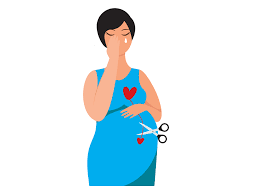
Sharing your abortion story can be a powerful and personal decision. By sharing your experience, you can contribute to breaking the silence and reducing the stigma surrounding abortion. Here are some considerations and suggestions for sharing your abortion story:
- Reflect on Your Intentions: Before sharing your story, take some time to reflect on your motivations and intentions. Understand why you want to share your experience and what you hope to achieve by doing so. Your reasons could range from wanting to advocate for reproductive rights, providing support to others, or simply sharing your personal journey.
- Choose a Supportive Environment: Find a supportive and safe space to share your story. This could be within a trusted community, online platforms, or with organizations that provide platforms for storytelling around reproductive health. It’s important to share in an environment that respects your autonomy and provides a non-judgmental space for others to engage in meaningful dialogue.
- Maintain Privacy and Anonymity: If you’re concerned about your privacy or potential repercussions, consider sharing your story anonymously or using a pseudonym. This can protect your identity while still allowing you to share your experience and contribute to the conversation.
- Be Prepared for Responses: When sharing a personal story, it’s important to be prepared for different reactions and responses. While many people may be supportive and empathetic, there may also be those who hold differing views or respond negatively. It can be helpful to have a support network in place to lean on during this time.
- Focus on Your Experience: Share your personal perspective and emphasize your feelings, emotions, and the complexities of your decision-making process. By sharing your unique journey, you can provide a more nuanced understanding of the complexities of abortion and its impact on individuals’ lives.
- Consider Creative Mediums: Explore different creative mediums to share your story, such as writing, artwork, videos, or spoken word. These mediums can help convey your emotions and experiences in a powerful and relatable way.
- Connect with Supportive Communities: Engage with online or local communities of individuals who have shared their abortion stories. These communities can provide a sense of solidarity, support, and validation. They can also offer guidance on sharing your story and navigating any potential challenges.
- Take Care of Yourself: Sharing your abortion story can be emotionally demanding. Prioritize self-care throughout the process. Set boundaries, practice self-compassion, and reach out to supportive friends, family, or mental health professionals if you need assistance in processing your emotions.
Remember, your story is unique and has the potential to make a meaningful impact. By sharing your experience, you can contribute to breaking down the stigma and fostering understanding and empathy around abortion.
Debunking Stigma: Advocating for Reproductive Rights
Advocating for reproductive rights is an important way to challenge the stigma surrounding abortion and promote access to comprehensive reproductive healthcare. Here are some strategies for debunking stigma and advocating for reproductive rights:
- Educate Yourself: Gain a deep understanding of reproductive rights, including the legal framework, historical context, and the impact of restrictive policies. Stay informed about current developments and research related to reproductive health, including abortion access, contraception, and comprehensive sex education.
- Engage in Open and Respectful Dialogue: Foster conversations with friends, family, colleagues, and community members about reproductive rights. Listen actively, share accurate information, and address misconceptions or myths surrounding abortion. Approach discussions with empathy, respect, and a willingness to learn from differing perspectives.
- Share Personal Stories: Sharing personal stories can humanize the issue, challenge stereotypes, and reduce stigma. If you feel comfortable, consider sharing your own abortion story or supporting others who choose to share their experiences. By sharing personal narratives, you can help others understand the diverse circumstances and emotions surrounding abortion.
- Support Reproductive Health Organizations: Contribute your time, resources, or skills to organizations that work to protect and expand reproductive rights. This can include volunteering, fundraising, attending events, or using your professional expertise to support their work. Organizations like Planned Parenthood, NARAL Pro-Choice America, and local abortion funds are examples of groups working to advocate for reproductive rights.
- Advocate for Legislation and Policy Change: Stay informed about local, national, and international policies related to reproductive rights. Contact your elected representatives to voice your support for legislation that protects and expands access to abortion, contraception, comprehensive sex education, and other reproductive healthcare services. Join or support advocacy campaigns focused on reproductive justice.
- Engage in Grassroots Activism: Participate in grassroots movements and demonstrations that advocate for reproductive rights. Attend rallies, sign petitions, write letters, and engage in peaceful protests to raise awareness and influence public opinion. Collaborate with like-minded individuals and organizations to amplify your efforts.
- Support Access to Comprehensive Healthcare: Advocate for policies and programs that prioritize access to comprehensive reproductive healthcare, including affordable and accessible contraception, prenatal care, maternal health services, and STI prevention. Recognize the intersectionality of reproductive rights with issues such as racial justice, economic equality, and LGBTQ+ rights.
- Foster Allyship and Inclusion: Recognize that reproductive rights and healthcare impact people of all genders and diverse backgrounds. Advocate for inclusivity, equity, and intersectionality within the reproductive rights movement. Support marginalized communities and uplift their voices in discussions about reproductive justice.
Remember to approach advocacy with respect and empathy, acknowledging that individuals may have different perspectives and experiences. By actively challenging stigma, advocating for reproductive rights, and engaging in informed conversations, you can contribute to creating a more inclusive and supportive society for all individuals.
The Importance of Comprehensive Sex Education and Contraception

Comprehensive sex education and access to contraception play crucial roles in promoting sexual and reproductive health, reducing unintended pregnancies, and empowering individuals to make informed choices about their bodies and their lives. Here are some key reasons why comprehensive sex education and contraception are important:
- Accurate and Inclusive Information: Comprehensive sex education provides accurate, evidence-based information about sexual and reproductive health, including topics such as puberty, contraception, consent, sexually transmitted infections (STIs), and pregnancy prevention. It promotes a comprehensive understanding of sexuality and relationships, addressing diverse identities, orientations, and experiences.
- Empowerment and Decision-making: Comprehensive sex education equips individuals with knowledge and skills to make informed decisions about their sexual health. It emphasizes the importance of consent, communication, and healthy relationships. By providing comprehensive information, individuals are empowered to make choices that align with their values, reduce risks, and prioritize their well-being.
- Pregnancy Prevention: Access to contraception is essential in preventing unintended pregnancies. Contraceptive methods, including hormonal methods, barrier methods, intrauterine devices (IUDs), and emergency contraception, offer individuals a range of options to prevent pregnancy when used correctly and consistently. This helps individuals have control over their reproductive lives and supports family planning.
- STI Prevention: Comprehensive sex education educates individuals about STIs, including how they are transmitted, prevented, and treated. It emphasizes the importance of safer sex practices, such as condom use, regular STI testing, and communication with partners. Access to contraception can also help reduce the risk of STIs by preventing unintended pregnancies that can lead to unsafe sexual practices.
- Promoting Health and Well-being: Comprehensive sex education goes beyond pregnancy and STI prevention. It teaches about sexual and reproductive anatomy, menstrual health, body positivity, and the importance of regular check-ups and screenings. This knowledge promotes overall health and well-being by empowering individuals to care for their bodies and seek appropriate healthcare.
- Reducing Health Disparities: Access to comprehensive sex education and contraception helps address health disparities and inequities. It ensures that individuals from diverse backgrounds, including marginalized communities, have access to accurate information and affordable contraceptive options. This is particularly important in reducing disparities in unintended pregnancies, maternal and infant health, and STI rates.
- Delaying Sexual Activity: Research has shown that comprehensive sex education, when delivered in a supportive and inclusive manner, can contribute to delaying the initiation of sexual activity among young people. By equipping them with knowledge, skills, and confidence, comprehensive sex education empowers young individuals to make responsible choices and understand the potential consequences of sexual activity.
Comprehensive sex education and access to contraception are essential components of reproductive healthcare. They promote informed decision-making, reduce unintended pregnancies, prevent STIs, and support overall sexual and reproductive health. By prioritizing comprehensive sex education and ensuring access to a range of contraceptive options, societies can foster healthier, more empowered individuals and communities.
Supporting Others: Being an Ally in the Abortion Debate
Being an ally in the abortion debate involves supporting individuals’ reproductive rights, promoting empathy and understanding, and advocating for access to safe and legal abortion services. Here are some ways you can be an ally:
- Listen and Educate Yourself: Take the time to listen to the experiences and perspectives of individuals who have had abortions or who are affected by the issue. Seek out diverse voices and stories, including those from marginalized communities. Educate yourself about the history, legal frameworks, and complexities of the abortion debate to have a well-informed understanding of the issue.
- Respect Autonomy and Choices: Recognize that individuals have the right to make decisions about their own bodies and reproductive lives. Respect their choices, even if they differ from your own beliefs or experiences. Avoid judgment, stigma, and shaming language when discussing abortion.
- Speak Up Against Stigma and Misinformation: Challenge stigmatizing language, myths, and misinformation surrounding abortion. Correct misconceptions and provide accurate information based on scientific evidence and reputable sources. Share resources and information that promote understanding and compassion.
- Foster Dialogue and Understanding: Engage in open and respectful conversations with others about abortion. Seek common ground, find shared values, and emphasize the importance of bodily autonomy, reproductive rights, and access to healthcare. Listen actively and respond empathetically to different perspectives.
- Support Reproductive Health Organizations: Contribute your time, resources, or donations to organizations that support reproductive rights and provide access to safe and legal abortion services. Volunteer, attend events, or help raise awareness about their work. Show solidarity and advocate for funding and policies that protect and expand access to reproductive healthcare.
- Use Your Privilege: If you have privilege, whether it’s based on gender, race, socioeconomic status, or other factors, use it to amplify the voices of marginalized individuals and communities affected by restrictive abortion policies. Support initiatives and organizations working to address disparities in access to reproductive healthcare.
- Advocate for Policy Change: Engage in advocacy efforts to promote policies that protect reproductive rights and ensure access to safe and legal abortion services. Contact your elected representatives, participate in demonstrations or rallies, sign petitions, and support grassroots movements focused on reproductive justice.
- Practice Self-Care: Engaging in discussions about abortion can be emotionally challenging. Take care of yourself by setting boundaries, seeking support from friends or support groups, and engaging in self-care activities. Recognize the importance of your well-being to sustain your advocacy efforts.
Remember that being an ally is an ongoing process. Stay open to learning, self-reflection, and growth. Center the experiences and voices of those directly affected by abortion in your advocacy work. By standing up for reproductive rights and supporting individuals’ autonomy, you can contribute to a more inclusive and compassionate society.
Moving Forward: Empowering Others through Abortion Advocacy

Empowering others through abortion advocacy involves actively working to support reproductive rights, educate others, and create positive change. Here are some strategies to empower others through abortion advocacy:
- Share Information: Provide accurate and reliable information about abortion, reproductive rights, and related topics. Dispel myths and misconceptions by sharing facts, research, and reputable resources. Use social media, blogs, or other platforms to raise awareness and promote understanding.
- Amplify Marginalized Voices: Center and amplify the voices of individuals from marginalized communities who are often disproportionately affected by restrictive abortion policies. Share their stories and perspectives, and work to ensure their experiences are heard and valued in the broader abortion discourse.
- Advocate for Comprehensive Sex Education: Support comprehensive sex education programs in schools that provide age-appropriate, inclusive, and evidence-based information about sexual health, consent, contraception, and abortion. Advocate for comprehensive sex education policies at the local, regional, and national levels.
- Support Reproductive Healthcare Providers: Recognize the essential role of healthcare providers in ensuring access to safe and legal abortion services. Advocate for the protection of reproductive healthcare providers’ rights and support organizations that provide training, resources, and support to these professionals.
- Engage in Legislative Advocacy: Stay informed about proposed legislation related to reproductive rights and actively engage in advocacy efforts. Contact your elected officials, participate in lobbying efforts, and support organizations that work to protect and expand access to abortion services.
- Volunteer and Support Abortion Funds: Donate your time, skills, or financial resources to abortion funds or organizations that provide financial assistance to individuals seeking abortions. Help break down financial barriers by supporting these organizations, which play a crucial role in ensuring access to care.
- Foster Community and Support Networks: Create safe and supportive spaces for individuals who have had abortions or who are seeking information and support. Facilitate dialogue, provide resources, and connect individuals with local organizations or support groups.
- Collaborate with Allies: Work collaboratively with other advocates, organizations, and allies who share similar goals. Join forces to amplify your collective impact and support each other’s efforts in advocating for reproductive rights.
- Use Art and Media: Utilize art, storytelling, and media to convey powerful messages and challenge stigma around abortion. Support artists, filmmakers, and writers who explore themes related to reproductive rights and share their work to create awareness and foster empathy.
Remember to always center the autonomy and experiences of individuals in your advocacy efforts. Listen to their needs, respect their choices, and uplift their voices. By empowering others through abortion advocacy, you can help create a society that values reproductive rights, supports access to care, and ensures that everyone has the freedom to make informed choices about their own bodies and lives.


