

Genital atrophy, also known as vaginal atrophy or urogenital atrophy, refers to the thinning, drying, and inflammation of the vaginal walls and tissues. It is primarily caused by a decrease in the levels of the female hormone estrogen, which commonly occurs during menopause. However, genital atrophy can also affect women who have undergone certain medical treatments or procedures that disrupt hormone levels, such as cancer treatments or surgical removal of the ovaries.
Estrogen plays a crucial role in maintaining the health and elasticity of the vaginal tissues. When estrogen levels decline, the tissues become thinner, drier, less flexible, and more prone to irritation and inflammation. Common symptoms of genital atrophy include vaginal dryness, itching, burning sensation, pain during intercourse (dyspareunia), and increased susceptibility to urinary tract infections.
The condition can have a significant impact on a woman’s quality of life, causing discomfort, pain, and sexual difficulties. It can also lead to urinary problems, such as increased urinary frequency, urgency, and recurrent infections.
Treatment options for genital atrophy focus on relieving symptoms and restoring vaginal health. They may include:
- Vaginal lubricants or moisturizers: These can help alleviate dryness and improve comfort during intercourse.
- Topical estrogen therapy: Low-dose estrogen creams, tablets, or rings can be inserted into the vagina to deliver localized estrogen and promote the rejuvenation of vaginal tissues.
- Systemic hormone therapy: Estrogen replacement therapy (ERT) or hormone replacement therapy (HRT) may be prescribed for women with more severe symptoms, especially if they also experience other menopausal symptoms like hot flashes and night sweats. Systemic hormone therapy can help relieve symptoms throughout the body, including the genital area.
- Non-hormonal treatments: For women who cannot or prefer not to use hormonal therapies, other options like vaginal laser therapy, selective estrogen receptor modulators (SERMs), or certain medications may be considered. These treatments aim to stimulate the vaginal tissues and alleviate symptoms without using estrogen.
It’s important for women experiencing symptoms of genital atrophy to consult with their healthcare provider. A healthcare professional can assess the individual’s symptoms, medical history, and preferences to recommend the most appropriate treatment options.
Genital Atrophy: Exploring the Condition
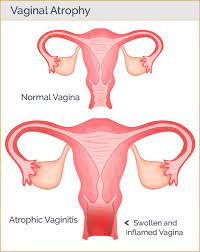
Genital atrophy, also referred to as vaginal atrophy or urogenital atrophy, is a condition that primarily affects women, especially those going through menopause. It occurs due to a decrease in estrogen levels, which leads to changes in the vaginal tissues. Let’s explore the condition in more detail:
- Causes: The most common cause of genital atrophy is the natural decline in estrogen levels during menopause. However, other factors can also contribute to the condition, including:
- Surgical removal of the ovaries: When the ovaries are surgically removed, estrogen production is significantly reduced, leading to a rapid onset of menopause symptoms, including genital atrophy.
- Cancer treatments: Radiation therapy or chemotherapy for the treatment of certain cancers can disrupt hormone levels and result in genital atrophy.
- Breastfeeding: During breastfeeding, estrogen levels can be lower, which may cause vaginal dryness and other symptoms of genital atrophy.
- Certain medications: Some medications, such as those used to treat endometriosis or fibroids, can affect estrogen levels and contribute to vaginal atrophy.
- Symptoms: Genital atrophy can cause various symptoms, including:
- Vaginal dryness: The vaginal tissues may lose moisture, leading to dryness and discomfort.
- Vaginal itching and burning: The thinning and inflammation of the vaginal walls can cause itching and a burning sensation.
- Pain during intercourse: Due to the lack of lubrication and thinning of tissues, sexual intercourse can become painful (dyspareunia).
- Urinary symptoms: Genital atrophy can also affect the urinary tract, leading to increased urinary frequency, urgency, and an increased risk of urinary tract infections.
- Impact on quality of life: Genital atrophy can have a significant impact on a woman’s quality of life. The symptoms can interfere with sexual activity, leading to a decrease in sexual satisfaction and intimacy. The discomfort and pain associated with the condition may also affect emotional well-being and overall quality of life.
- Diagnosis: If a woman experiences symptoms of genital atrophy, it is important to seek medical evaluation. A healthcare provider will typically perform a physical examination and discuss symptoms and medical history. In some cases, further tests may be done to rule out other conditions.
- Treatment options: There are several treatment options available to manage genital atrophy:
- Vaginal moisturizers and lubricants: These over-the-counter products can provide temporary relief from dryness and discomfort.
- Local estrogen therapy: Estrogen creams, tablets, or rings can be used to deliver estrogen directly to the vaginal tissues, promoting their rejuvenation and relieving symptoms.
- Systemic hormone therapy: Estrogen replacement therapy (ERT) or hormone replacement therapy (HRT) can be prescribed to alleviate symptoms throughout the body. However, the decision to use hormone therapy should be made after considering individual risks and benefits.
- Non-hormonal treatments: Alternative treatments, such as vaginal laser therapy or certain medications, may be considered for women who cannot or prefer not to use hormonal therapies.
It is essential to consult with a healthcare provider to determine the most suitable treatment approach based on individual circumstances and preferences.
Genital atrophy is a common condition that can significantly impact a woman’s comfort and quality of life. With appropriate medical guidance and treatment, the symptoms can be effectively managed, allowing women to regain comfort and maintain their sexual well-being.
Causes and Risk Factors of Genital Atrophy
Genital atrophy, also known as vaginal atrophy or urogenital atrophy, is primarily caused by a decrease in estrogen levels. Estrogen is a hormone that plays a vital role in maintaining the health and function of the vaginal tissues. Let’s explore the causes and risk factors associated with genital atrophy:
- Menopause: The most common cause of genital atrophy is the natural decline in estrogen levels that occurs during menopause. Menopause is a phase in a woman’s life when her menstrual periods cease, typically around the age of 45 to 55. The decrease in estrogen during menopause can lead to thinning, drying, and inflammation of the vaginal tissues, resulting in genital atrophy.
- Surgical menopause: When a woman undergoes surgical removal of the ovaries (oophorectomy), the production of estrogen is abruptly stopped. This sudden decline in estrogen levels can cause immediate menopausal symptoms, including genital atrophy.
- Breastfeeding: During breastfeeding, the body produces higher levels of the hormone prolactin, which can suppress the production of estrogen. The reduced estrogen levels during breastfeeding may contribute to vaginal dryness and genital atrophy.
- Cancer treatments: Radiation therapy and chemotherapy used to treat certain types of cancer can damage or destroy ovarian tissue and disrupt hormone production. This disruption can lead to a decrease in estrogen levels and subsequent genital atrophy.
- Certain medications and conditions: Certain medications, such as those used to treat endometriosis or uterine fibroids, can affect estrogen levels and contribute to vaginal atrophy. Additionally, certain autoimmune disorders, such as Sjögren’s syndrome and lupus, can cause vaginal dryness and atrophy.
- Smoking: Smoking has been associated with an increased risk of developing genital atrophy. It is believed that smoking may affect blood flow and hormone levels, contributing to vaginal tissue changes.
- Ethnicity and genetic factors: Some studies have suggested that certain ethnic groups may be more prone to developing genital atrophy. Additionally, genetic factors may play a role in determining an individual’s susceptibility to the condition.
It’s important to note that not all women will experience genital atrophy, and the severity of symptoms can vary. While menopause is a natural part of the aging process, there are treatment options available to manage the symptoms of genital atrophy and improve quality of life. If you are experiencing symptoms, it’s advisable to consult with a healthcare provider who can provide a proper diagnosis and recommend appropriate treatment options based on your specific situation.
Signs and Symptoms: Recognizing Genital Atrophy

Genital atrophy, also known as vaginal atrophy or urogenital atrophy, can cause a range of signs and symptoms that affect the vaginal area. These symptoms can vary in severity from mild to more pronounced. Here are some common signs and symptoms to recognize genital atrophy:
- Vaginal dryness: One of the hallmark symptoms of genital atrophy is a lack of moisture in the vaginal area. The vaginal tissues may become drier, resulting in discomfort or a feeling of vaginal tightness. This dryness can lead to itching and irritation.
- Vaginal burning or itching: The thinning and inflammation of the vaginal tissues can cause a persistent burning or itching sensation. This discomfort may be present both internally and externally around the vulva.
- Painful intercourse (dyspareunia): Genital atrophy can make sexual intercourse painful or uncomfortable. The thinning of the vaginal walls and decreased lubrication can lead to friction and irritation during penetration, resulting in pain or a feeling of vaginal soreness.
- Bleeding after intercourse: Some women with genital atrophy may experience light bleeding or spotting after sexual intercourse. This can occur due to the thinning and fragility of the vaginal tissues.
- Decreased vaginal elasticity: The vaginal tissues may lose their elasticity and become less flexible. This can make sexual penetration more difficult and cause discomfort during sexual activity.
- Urinary symptoms: Genital atrophy can also affect the urinary tract, leading to urinary symptoms such as increased frequency of urination, urgency, or a higher risk of urinary tract infections. Some women may experience recurrent urinary tract infections as a result of changes in the vaginal pH and flora.
- Urinary incontinence: Weakening of the pelvic floor muscles and changes in the vaginal tissues can contribute to urinary incontinence, causing leakage of urine during physical activities, sneezing, or coughing.
It’s important to remember that these symptoms can also be caused by other conditions, so it’s crucial to consult with a healthcare provider for an accurate diagnosis. A healthcare professional can evaluate your symptoms, perform a physical examination, and discuss your medical history to determine if genital atrophy is the underlying cause. They can then recommend appropriate treatment options to relieve symptoms and improve vaginal health and comfort.
Impact on Intimacy: Understanding the Emotional Aspect
Genital atrophy, with its associated symptoms and changes in the vaginal area, can have a significant impact on a woman’s intimate and sexual experiences. The emotional aspect of genital atrophy is an important consideration as it can affect a woman’s self-esteem, body image, and overall well-being. Here’s a deeper understanding of the emotional impact of genital atrophy on intimacy:
- Reduced sexual satisfaction: The physical discomfort, pain, and dryness associated with genital atrophy can diminish sexual satisfaction. Women may experience a decrease in libido or a reluctance to engage in sexual activity due to fear of pain or discomfort. This can lead to a strain on intimate relationships and a decrease in overall sexual well-being.
- Emotional distress: Genital atrophy can cause emotional distress, including feelings of frustration, embarrassment, or inadequacy. The changes in the vaginal area can affect a woman’s perception of her femininity and sexual desirability, potentially leading to lowered self-esteem or body image issues.
- Relationship impact: The symptoms of genital atrophy, such as pain during intercourse or decreased sexual desire, can strain intimate relationships. Communication and intimacy may suffer as couples may avoid or reduce sexual activity due to the associated discomfort. This can lead to feelings of distance, frustration, or dissatisfaction in the relationship.
- Psychological factors: The physical symptoms of genital atrophy can also contribute to psychological factors such as anxiety or depression. The persistent pain or discomfort can create a cycle of anticipation and fear of sexual activity, which can further exacerbate emotional distress and impact the overall mental well-being of women.
- Open communication and support: It’s crucial for women experiencing genital atrophy to have open and honest communication with their partners and healthcare providers. Sharing concerns and feelings with a partner can foster understanding, empathy, and support, which can alleviate some of the emotional burden.
- Seeking professional help: Consulting with a healthcare provider who specializes in menopause or sexual health can provide guidance and support. They can offer appropriate treatment options to manage the symptoms and improve sexual well-being. Additionally, seeking counseling or therapy can be beneficial in addressing any emotional or psychological issues related to genital atrophy.
It’s important to remember that genital atrophy is a common condition and there are treatment options available to manage the symptoms. With the right support, open communication, and appropriate treatment, women can find ways to navigate the emotional impact of genital atrophy and maintain satisfying intimate relationships.
Seeking Medical Help: Diagnosis and Treatment Options
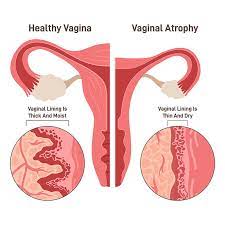
If you are experiencing symptoms of genital atrophy, it is advisable to seek medical help for an accurate diagnosis and appropriate treatment options. Here’s a general overview of the diagnosis process and treatment options for genital atrophy:
- Diagnosis:
- Medical history: Your healthcare provider will ask about your symptoms, medical history, and any medications you are currently taking.
- Physical examination: A pelvic examination may be performed to assess the health of the vaginal tissues, including their moisture levels, elasticity, and any signs of inflammation.
- Additional tests: In some cases, your healthcare provider may recommend further tests, such as blood tests to measure hormone levels or vaginal swabs to rule out infections or other conditions.
- Treatment options:
- Moisturizers and lubricants: Over-the-counter vaginal moisturizers and lubricants can provide temporary relief from dryness and discomfort during sexual activity.
- Local estrogen therapy: Low-dose estrogen creams, tablets, or rings can be inserted into the vagina to deliver estrogen directly to the vaginal tissues. This helps to restore moisture, improve elasticity, and relieve symptoms. Estrogen therapies are available by prescription from a healthcare provider.
- Systemic hormone therapy: Estrogen replacement therapy (ERT) or hormone replacement therapy (HRT) may be prescribed for women with more severe symptoms. Systemic hormone therapy can help alleviate symptoms throughout the body, including the genital area. However, the decision to use hormone therapy should be made after considering individual risks and benefits.
- Non-hormonal treatments: If you cannot or prefer not to use hormonal therapies, there are non-hormonal treatment options available. These may include vaginal laser therapy, which stimulates collagen production and improves vaginal health, or certain medications that can help alleviate symptoms without using estrogen.
- Lifestyle modifications: Making certain lifestyle changes, such as quitting smoking, staying hydrated, and using mild, non-irritating soaps in the genital area, can help manage symptoms and maintain vaginal health.
It’s important to work closely with your healthcare provider to determine the most suitable treatment option based on your specific symptoms, medical history, and preferences. They can provide personalized recommendations and monitor your progress to ensure the chosen treatment is effective and well-tolerated.
Additionally, regular follow-up appointments with your healthcare provider are important to monitor the response to treatment, adjust the therapy as needed, and address any concerns or questions you may have.
Remember, the information provided here is general, and it is essential to consult with a healthcare professional for a proper diagnosis and tailored treatment plan based on your individual circumstances.
Hormonal Therapies for Genital Atrophy
Hormonal therapies are commonly used for the treatment of genital atrophy, particularly when symptoms are moderate to severe. These therapies aim to replenish estrogen levels in the body, which helps restore the health and function of the vaginal tissues. Here are the main types of hormonal therapies used for genital atrophy:
- Local estrogen therapy:
- Estrogen creams: These creams are applied directly to the vaginal area using an applicator. They deliver a localized dose of estrogen to the vaginal tissues, helping to improve moisture, elasticity, and overall vaginal health. Creams are typically used daily for a couple of weeks and then tapered to a maintenance schedule as directed by the healthcare provider.
- Estrogen tablets: Vaginal tablets containing estrogen can be inserted into the vagina using an applicator. They dissolve and release estrogen locally, providing similar benefits as estrogen creams. Tablets are usually used several times a week or as prescribed.
- Vaginal estrogen rings: These flexible rings are placed in the upper part of the vagina and release a steady low dose of estrogen over time. They are typically replaced every three months.
- Estrogen vaginal suppositories: These suppositories contain estrogen and are inserted into the vagina. They dissolve and release estrogen to provide local relief from symptoms.
Local estrogen therapy provides direct benefits to the vaginal tissues while minimizing systemic absorption of estrogen. This makes it a suitable option for many women who wish to avoid or minimize the potential risks associated with systemic hormone therapy.
- Systemic hormone therapy (HRT/ERT):
- Estrogen Replacement Therapy (ERT): This involves taking estrogen alone, typically in the form of oral tablets, patches, or gels. Estrogen is absorbed into the bloodstream and helps alleviate symptoms throughout the body, including the vaginal area. ERT may be recommended for women who have undergone a hysterectomy (surgical removal of the uterus).
- Hormone Replacement Therapy (HRT): HRT combines estrogen with progesterone (for women with a uterus) and is available in various forms like tablets, patches, gels, or creams. HRT helps balance hormones and relieve menopausal symptoms, including genital atrophy.
Systemic hormone therapy can effectively alleviate symptoms of genital atrophy, but it may carry certain risks and side effects. These can vary depending on factors such as the specific hormone therapy, dosage, and an individual’s medical history. It’s essential to discuss the potential risks and benefits with a healthcare provider before considering systemic hormone therapy.
It’s important to note that hormone therapy may not be suitable for everyone. Factors such as personal medical history, underlying conditions, and individual preferences should be taken into account when determining the most appropriate treatment approach. Regular follow-up appointments with a healthcare provider are recommended to monitor the response to therapy and make any necessary adjustments.
Non-Hormonal Approaches for Managing Genital Atrophy

For women who cannot or prefer not to use hormonal therapies, there are non-hormonal approaches available to manage the symptoms of genital atrophy. These approaches aim to alleviate symptoms and improve vaginal health without the use of estrogen. Here are some non-hormonal options for managing genital atrophy:
- Vaginal moisturizers and lubricants: Over-the-counter vaginal moisturizers and lubricants can provide temporary relief from vaginal dryness and discomfort. Moisturizers are used regularly to maintain vaginal moisture, while lubricants are applied as needed before sexual activity to reduce friction and discomfort.
- Vaginal laser therapy: Vaginal laser therapy involves using laser technology to stimulate collagen production and improve the health and elasticity of the vaginal tissues. This procedure is typically performed by a healthcare professional and requires multiple sessions over a period of time.
- Selective estrogen receptor modulators (SERMs): SERMs are a class of medications that can mimic the effects of estrogen on specific tissues. They can help improve vaginal health and relieve symptoms without directly delivering estrogen to the body. Examples of SERMs used for genital atrophy include ospemifene, which is taken orally, and tamoxifen, which can be used topically.
- Phytoestrogens: Phytoestrogens are plant-derived compounds that have weak estrogen-like effects in the body. They can be found in certain foods and supplements, such as soy products, flaxseed, and red clover. While the evidence on their effectiveness for genital atrophy is limited, some women find them helpful in managing symptoms.
- Regular sexual activity: Engaging in regular sexual activity, including masturbation or sexual intercourse, can help promote blood flow to the vaginal area and maintain vaginal elasticity. This can help reduce symptoms of genital atrophy, such as vaginal dryness and discomfort. However, it’s important to prioritize comfort and communicate with your partner to ensure a pleasurable and pain-free experience.
- Lifestyle modifications: Certain lifestyle changes can also support vaginal health and alleviate symptoms. These include staying hydrated, avoiding irritants such as harsh soaps or douches, and maintaining a healthy diet and exercise routine.
It’s important to discuss these non-hormonal approaches with a healthcare provider to determine their suitability for your specific situation. They can provide guidance on the most appropriate options and help create an individualized management plan based on your preferences and needs.
Lifestyle Changes for Alleviating Symptoms
In addition to medical treatments, certain lifestyle changes can help alleviate the symptoms of genital atrophy and support vaginal health. Here are some lifestyle modifications that may be beneficial:
- Stay hydrated: Drinking an adequate amount of water throughout the day can help maintain overall hydration, including the moisture levels in the vaginal tissues. Aim to consume the recommended daily intake of water, which is typically around 8 cups (2 liters) for most individuals.
- Avoid irritants: Harsh soaps, douches, and other personal hygiene products can disrupt the natural pH balance of the vagina and cause irritation. Opt for mild, fragrance-free soaps and avoid using any products inside the vagina unless specifically recommended by a healthcare provider.
- Use gentle and hypoallergenic laundry products: Wash your undergarments with gentle, hypoallergenic detergents to minimize potential irritation to the vaginal area. Avoid using fabric softeners or dryer sheets that can contain harsh chemicals.
- Engage in regular sexual activity: Regular sexual activity, including masturbation or sexual intercourse, can help promote blood flow to the vaginal area and maintain vaginal elasticity. It can also help reduce symptoms of genital atrophy, such as vaginal dryness and discomfort. Ensure open communication with your partner about your needs and preferences to ensure a pleasurable and pain-free experience.
- Experiment with different positions and techniques: During sexual activity, experimenting with different positions or techniques that are comfortable for you can help minimize discomfort and maximize pleasure. Explore what works best for you and communicate with your partner to find enjoyable and pain-free experiences.
- Use vaginal moisturizers and lubricants: Over-the-counter vaginal moisturizers and lubricants can provide temporary relief from vaginal dryness and discomfort. Apply a moisturizer regularly to maintain vaginal moisture, and use a lubricant as needed during sexual activity to reduce friction and enhance comfort.
- Maintain a healthy lifestyle: Adopting a healthy lifestyle, including regular exercise, a balanced diet, and adequate sleep, can contribute to overall well-being, including vaginal health. A healthy lifestyle can help support hormone balance and promote optimal tissue function.
Remember to consult with a healthcare provider to ensure these lifestyle changes are appropriate for your specific situation. They can provide personalized guidance and recommendations based on your needs and preferences.
Communicating with Your Partner: Nurturing Intimacy and Support

Effective communication with your partner is essential for nurturing intimacy and support when dealing with the symptoms of genital atrophy. Open and honest communication can help both partners understand and address each other’s needs, concerns, and expectations. Here are some tips for communicating with your partner:
- Initiate the conversation: Take the initiative to discuss your experience with genital atrophy and its impact on your sexual and intimate relationship. Choose a comfortable and private setting to have an open and honest conversation.
- Share your feelings and concerns: Express how the symptoms of genital atrophy make you feel, both physically and emotionally. Share any concerns, fears, or anxieties you may have regarding sexual intimacy and discuss how the symptoms affect your overall well-being.
- Educate your partner: Help your partner understand what genital atrophy is and how it affects you. Provide them with information about the condition, its causes, and the available treatment options. Encourage them to ask questions and express their own concerns.
- Be specific about your needs: Clearly communicate your needs and preferences regarding sexual intimacy. Discuss any changes in sexual desire, comfort levels, or specific activities that you find pleasurable or uncomfortable. Explore new ways to experience intimacy that are comfortable and enjoyable for both of you.
- Encourage their involvement: Invite your partner to actively participate in your treatment journey. Ask them to accompany you to doctor’s appointments, where they can learn more about the condition and the available treatments. Encourage them to ask questions and seek guidance from healthcare professionals.
- Seek emotional support: Share your emotional experiences with your partner and let them know how their support is important to you. Express your needs for emotional support, understanding, and reassurance. Encourage them to provide comfort and empathy as you navigate the challenges of genital atrophy together.
- Explore non-sexual intimacy: Intimacy goes beyond sexual activity. Find ways to connect and enjoy non-sexual intimacy with your partner, such as cuddling, holding hands, or engaging in activities that bring you closer emotionally. This can help maintain and strengthen your bond during periods when sexual intimacy may be challenging.
Remember that communication is a two-way process. Be receptive and attentive to your partner’s thoughts, feelings, and concerns as well. Establishing a supportive and empathetic environment fosters a sense of togetherness and enables both partners to navigate the challenges of genital atrophy with understanding and compassion.
If you find it challenging to discuss these matters openly or if you need additional support, consider seeking professional guidance from a therapist or counselor who specializes in sexual health or couples’ therapy. They can provide a safe space for open communication and offer strategies to enhance intimacy and strengthen your relationship.
Empowering Yourself: Coping Strategies and Self-Care Practices
Empowering yourself and practicing self-care can be instrumental in coping with the symptoms of genital atrophy. Here are some strategies and self-care practices to help you navigate this experience:
- Educate yourself: Learn as much as you can about genital atrophy. Understanding the condition, its causes, and available treatment options empowers you to make informed decisions about your health and well-being. Consult reputable sources, speak to healthcare professionals, and join support groups or online communities to connect with others who may be going through similar experiences.
- Prioritize self-care: Take care of your physical, emotional, and mental well-being. Engage in activities that bring you joy, relaxation, and stress relief. This may include practicing mindfulness, engaging in hobbies, spending time in nature, or pampering yourself with self-care rituals like taking warm baths, getting massages, or practicing yoga.
- Seek emotional support: Surround yourself with a supportive network of friends, family, or support groups who can offer understanding, empathy, and encouragement. Sharing your experiences, concerns, and feelings with others who can relate can provide a sense of validation and reduce feelings of isolation.
- Practice stress management: Find effective stress management techniques that work for you. This may include deep breathing exercises, meditation, journaling, or engaging in activities that help you relax and unwind. Managing stress can positively impact your overall well-being and may also help alleviate symptoms associated with genital atrophy.
- Maintain a healthy lifestyle: Focus on maintaining a balanced diet, engaging in regular physical activity, and getting adequate sleep. A healthy lifestyle can support overall well-being, promote hormonal balance, and positively impact your body’s response to genital atrophy symptoms.
- Communicate your needs: Clearly communicate your needs, boundaries, and preferences to your healthcare provider, partner, and loved ones. Advocate for yourself and actively participate in decisions regarding your treatment plan and overall care. Effective communication empowers you to have a proactive role in managing your health.
- Seek professional support: If needed, consider seeking professional support from therapists, counselors, or sexual health specialists who can provide guidance, coping strategies, and specialized therapies to address the emotional and psychological aspects of genital atrophy.
Remember that self-care is an ongoing practice, and it’s essential to listen to your body, be patient with yourself, and adjust your self-care routines as needed. Each individual’s experience with genital atrophy may be unique, so find what works best for you and be gentle with yourself throughout the journey.


