

The darkening of the vaginal area, also known as hyperpigmentation, is a common concern for many individuals. While the color of the genital region can vary naturally among individuals, changes in pigmentation may occur due to a range of factors. Hormonal changes, such as those experienced during pregnancy or menopause, can contribute to darkening, as can friction and irritation from clothing or hygiene practices. Inflammatory conditions, obesity, genetics, age-related changes, and sun exposure are also potential causes of hyperpigmentation in the vaginal area. If you are experiencing this concern, it is recommended to consult with a healthcare professional who can provide a thorough evaluation and appropriate guidance.
Causes of vaginal darkening
It’s important to note that vaginal darkening, also known as vulvar hyperpigmentation, is a relatively common occurrence among women. While it may cause concern or self-consciousness for some individuals, it is often a harmless and natural phenomenon. The skin around the vaginal area, including the labia majora and labia minora, can naturally vary in color and shade due to a combination of genetic factors, hormonal changes, and other physiological and environmental influences.
The primary cause of vaginal darkening is increased melanin production in the skin cells, which gives rise to darker pigmentation. Melanin is the pigment responsible for the coloration of our skin, hair, and eyes, and its production can be influenced by various factors. Hormonal fluctuations, such as those occurring during pregnancy or in response to hormonal contraceptives, can contribute to increased melanin production and subsequently lead to vaginal darkening.
Additionally, certain medications, skin irritation, friction, chronic inflammation, and exposure to sunlight or ultraviolet (UV) radiation can also be contributing factors. It’s important to remember that while vaginal darkening is typically a benign condition, any significant changes in the color or appearance of the vaginal area should be evaluated by a healthcare professional to rule out any underlying medical conditions.
Friction
Friction can contribute to skin irritation and inflammation, which may temporarily darken the skin in the affected area. However, this darkening is typically a temporary response and should fade once the irritation or inflammation resolves.
Persistent or long-term vaginal darkening is more likely to be influenced by other factors such as hormonal changes, genetic predisposition, and certain medications. Hormonal fluctuations during pregnancy, menopause, or the use of hormonal contraceptives can affect melanin production and potentially lead to vaginal darkening. Certain medications, such as those containing estrogen, may also contribute to this effect.
It’s important to understand that while friction can cause temporary skin discoloration, it is not the primary cause of long-term vaginal darkening. If you have concerns about changes in the color or appearance of your vaginal area, it is advisable to consult with a healthcare professional for a proper evaluation and to rule out any underlying medical conditions.
Hormonal Factors
Hormonal factors play a significant role in vaginal darkening. Hormonal fluctuations can lead to an increase in melanin production, resulting in darker pigmentation of the skin in the vaginal area. Some common hormonal factors that can contribute to vaginal darkening include:
- Pregnancy: During pregnancy, there are significant hormonal changes in the body, including an increase in estrogen levels. This hormonal shift can stimulate melanocytes, leading to hyperpigmentation in various areas of the body, including the vaginal area.
- Hormonal contraceptives: Certain hormonal contraceptives, such as birth control pills or hormonal patches, can also cause hormonal fluctuations that result in increased melanin production. This can lead to vaginal darkening as a side effect.
- Menopause: Menopause is a natural stage in a woman’s life characterized by a decline in hormone levels, particularly estrogen. The decrease in estrogen can contribute to changes in the vaginal area, including vaginal dryness, thinning of the vaginal walls, and potential darkening of the skin.
- Hormonal imbalances: Various hormonal imbalances, such as polycystic ovary syndrome (PCOS), can affect the body’s hormone levels. These imbalances can disrupt melanin production and potentially lead to vaginal darkening.
It’s essential to note that hormonal factors interact with individual genetic predispositions, and not all women will experience vaginal darkening due to hormonal changes. If you have concerns about vaginal darkening or experience other related symptoms, consulting with a healthcare professional can provide further insight and appropriate guidance.
Vaginal Infections
Vaginal infections can sometimes contribute to vaginal darkening. Certain types of infections or conditions that affect the vaginal area can cause changes in skin color or pigmentation. Some examples include:
- Yeast Infections: Yeast infections, commonly caused by the fungus Candida, can lead to vaginal darkening as a result of inflammation and irritation. The affected area may appear reddened or darker than usual.
- Bacterial Vaginosis: Bacterial vaginosis (BV) is an imbalance of the bacteria normally present in the vagina. While it typically does not cause significant changes in skin color, in some cases, the inflammation associated with BV can lead to temporary darkening of the vaginal area.
- Sexually Transmitted Infections (STIs): Certain STIs, such as genital herpes or human papillomavirus (HPV), can cause skin discoloration or lesions in the genital area. These changes in the skin’s appearance may result in localized darkening.
It’s important to note that while vaginal infections can cause temporary changes in skin color, they are typically accompanied by other symptoms such as itching, discharge, odor, or discomfort. If you suspect you have a vaginal infection or notice any significant changes in the color or appearance of your vaginal area, it’s crucial to seek medical attention for proper diagnosis and appropriate treatment.
Age
Age can be a contributing factor to vaginal darkening. As women age, there are natural changes that occur in the skin, including the genital area. Some factors related to aging that may lead to vaginal darkening include:
- Hormonal Changes: With age, there can be fluctuations and declines in hormone levels, particularly estrogen. Estrogen plays a role in maintaining the health and appearance of the skin. Reduced estrogen levels can contribute to changes in the skin’s pigmentation, including the vaginal area.
- Decreased Collagen Production: Collagen is a protein that provides structure and elasticity to the skin. As women age, the production of collagen decreases, leading to skin thinning and potential changes in skin color and texture, including the vaginal area.
- Accumulated Sun Damage: Over time, exposure to sunlight and ultraviolet (UV) radiation can cause damage to the skin, including the genital area. Excessive sun exposure without adequate protection can result in hyperpigmentation or darkening of the skin.
It’s important to remember that vaginal darkening due to age-related factors is generally a natural occurrence. However, if you notice any sudden or significant changes in the color or appearance of your vaginal area, it’s advisable to consult with a healthcare professional to rule out any underlying conditions or to address any concerns you may have.
Polycystic Ovary Syndrome
Polycystic Ovary Syndrome (PCOS) can be a contributing factor to vaginal darkening. PCOS is a hormonal disorder that affects women of reproductive age. It is characterized by hormonal imbalances, specifically elevated levels of androgens (male hormones) and insulin resistance.
The hormonal imbalances in PCOS can lead to increased melanin production in the skin, including the vaginal area. This can result in darker pigmentation or hyperpigmentation of the skin in that region. The exact mechanisms behind this association are not fully understood, but the elevated androgen levels and insulin resistance in PCOS are believed to play a role in disrupting melanin production and contributing to the darkening of the skin.
It’s important to note that vaginal darkening alone is not a definitive symptom of PCOS. PCOS is typically diagnosed based on a combination of symptoms, including irregular periods, excessive hair growth, acne, and ovarian cysts. If you suspect you have PCOS or experience vaginal darkening along with other symptoms associated with the condition, it is recommended to consult with a healthcare professional for proper evaluation, diagnosis, and management.
How to Prevent Vaginal Darkening
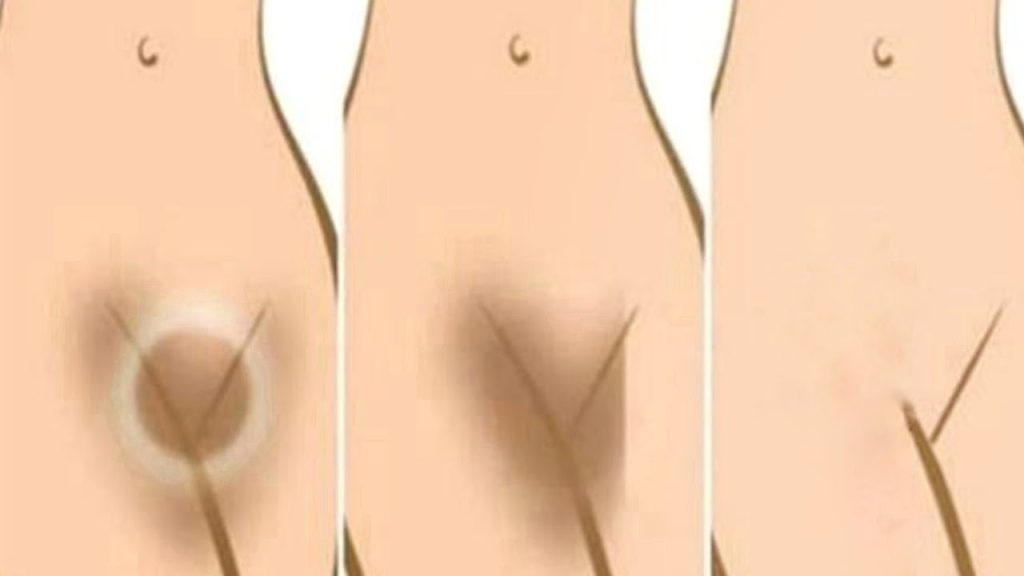
Preventing vaginal darkening involves adopting healthy habits and practices that promote overall skin health. While it’s important to note that some factors contributing to vaginal darkenings, such as hormonal changes or genetic predisposition, may be beyond our control, there are steps one can take to help maintain the natural skin tone and minimize the risk of excessive pigmentation. By focusing on proper hygiene, sun protection, and lifestyle choices, individuals can support the health and appearance of the vaginal area.
Maintaining good hygiene is crucial for the prevention of vaginal darkening. Regularly washing the vaginal area with mild, fragrance-free cleansers and warm water can help remove sweat, bacteria, and other impurities that may contribute to skin discoloration. Avoid using harsh soaps or douches, as they can disrupt the natural pH balance of the vagina and cause irritation.
In addition to hygiene, protecting the skin from excessive sun exposure is essential. The genital area is sensitive and can be more prone to hyperpigmentation due to sun damage. Applying a broad-spectrum sunscreen with a high SPF to the genital area when spending time outdoors can help shield the skin from harmful UV radiation. Wearing loose, breathable clothing and opting for shade during peak sunlight hours can also provide additional protection.
It’s important to remember that everyone’s skin is unique, and some degree of variation in skin color is normal and natural. However, by following these preventive measures, individuals can help maintain the overall health and appearance of the vaginal area and minimize the risk of excessive darkening. If you have concerns or notice significant changes in the color or appearance of your vaginal area, it is advisable to consult with a healthcare professional for proper evaluation and guidance.
Use Natural And Organic Ingredients
Preventing vaginal darkening using natural and organic ingredients involves incorporating these ingredients into your skincare routine and overall lifestyle choices. While it’s important to note that individual results may vary and some factors contributing to vaginal darkening may be beyond our control, the following tips can help support skin health and potentially minimize the risk of excessive pigmentation:
- Hydration: Keeping the skin well-hydrated is essential for maintaining its health and appearance. Drink an adequate amount of water daily and consider using natural moisturizers like aloe vera gel or organic coconut oil to keep the vaginal area hydrated and nourished.
- Gentle Cleansing: Use mild, fragrance-free cleansers specifically formulated for intimate areas when washing the vaginal area. Harsh soaps and excessive washing can disrupt the natural pH balance and irritate the skin. Opt for gentle, natural cleansers to minimize the risk of irritation and darkening.
- Sun Protection: Protecting the skin from harmful UV radiation is crucial in preventing darkening. Apply a natural, mineral-based sunscreen with a high SPF to the genital area when exposed to sunlight. Choose products that are free of harmful chemicals and opt for physical sunscreens containing zinc oxide or titanium dioxide.
- Natural Lightening Agents: Some natural ingredients possess skin-lightening properties that can help reduce dark spots or hyperpigmentation. Lemon juice, for example, contains natural bleaching properties. However, use caution when applying lemon juice to sensitive areas and dilute it with water to prevent irritation. Perform a patch test before using any new ingredient.
- Healthy Diet: A nutritious diet rich in fruits, vegetables, and antioxidants can support overall skin health. Consuming foods high in vitamins and minerals can promote skin rejuvenation and reduce the risk of skin darkening.
Remember, it’s important to consult with a healthcare professional or dermatologist before introducing new ingredients or products to your skincare routine, especially if you have specific skin concerns or conditions. They can provide personalized advice and guidance based on your individual needs and help ensure the safety and efficacy of any natural or organic ingredients you plan to use.
Maintain pH Balance
Maintaining a healthy pH balance in the vaginal area can be an important aspect of preventing vaginal darkening. The vaginal pH refers to the level of acidity or alkalinity in the vaginal environment. A balanced pH helps to support the natural flora and protect against infections or imbalances that may contribute to changes in skin color. Here are some tips to maintain a proper pH balance:
- Avoid harsh soaps and douches: Harsh soaps and douches can disrupt the natural pH balance of the vagina. Instead, opt for mild, pH-balanced cleansers specifically designed for intimate areas. These gentle cleansers help maintain the natural acidity of the vagina while keeping it clean and fresh.
- Don’t over-cleanse: It’s important not to over-cleanse the vaginal area, as excessive washing can strip away the natural protective barriers and disrupt the pH balance. Limit cleansing to once or twice a day, and avoid using excessive force or scrubbing.
- Wear breathable underwear: Choose underwear made from natural, breathable fabrics like cotton to allow for proper airflow. Avoid synthetic materials that can trap moisture and create an environment favorable to bacterial or fungal overgrowth.
- Practice safe sex: Unprotected sex or exposure to certain fluids can disrupt the pH balance and potentially lead to infections. Use condoms to reduce the risk of sexually transmitted infections (STIs) and maintain a healthy vaginal environment.
- Probiotics: Incorporating probiotics into your diet or using vaginal probiotic supplements can help promote a healthy vaginal pH. Probiotics support the growth of beneficial bacteria in the vagina, which can help maintain the proper pH balance and prevent the overgrowth of harmful bacteria or yeast.
It’s important to note that if you have concerns about vaginal darkening or notice any significant changes in the color or appearance of your vaginal area, it’s advisable to consult with a healthcare professional for a proper evaluation and guidance. They can provide personalized recommendations and address any underlying issues that may be affecting the pH balance.
Choose the Right Vaginal Care Products
Choosing the right vaginal care products is crucial in preventing vaginal darkening and maintaining overall vaginal health. Using gentle, pH-balanced, and non-irritating products can help preserve the natural skin tone and prevent skin discoloration. Here are some tips for selecting the right vaginal care products:
- pH-Balanced Cleansers: Look for intimate washes or cleansers specifically formulated to maintain the natural pH balance of the vagina. These products are designed to be gentle and non-irritating, helping to preserve the vaginal environment and prevent darkening.
- Fragrance-Free Products: Avoid using products with added fragrances, as they can contain potentially irritating ingredients. Fragrances can disrupt the delicate balance of the vaginal area and contribute to skin irritation or darkening. Opt for fragrance-free or unscented products to minimize the risk of irritation.
- Hypoallergenic Formulas: Choose products labeled as hypoallergenic, as they are less likely to cause allergic reactions or sensitivities. Hypoallergenic products are formulated to be gentle on the skin and reduce the risk of irritation or discoloration.
- Avoid Harsh Ingredients: Steer clear of products that contain harsh ingredients such as sulfates, parabens, or alcohol. These substances can strip the skin’s natural moisture and disrupt the vaginal pH balance, potentially leading to dryness, irritation, or darkening.
- Use Non-irritating Wipes: When using feminine wipes for freshening up, opt for alcohol-free and pH-balanced wipes. Make sure they are specifically designed for the vaginal area and do not contain any harsh or irritating ingredients.
- Choose Trusted Brands: Stick to reputable brands that specialize in feminine care products. Look for brands that prioritize quality, safety, and gentle formulations.
Remember that individual sensitivities and preferences may vary. It’s important to listen to your body and choose products that work well for you. If you experience any discomfort, irritation, or significant changes in the color or appearance of your vaginal area, consult with a healthcare professional for evaluation and guidance.


